
Why get a Sak Yant from a real master?
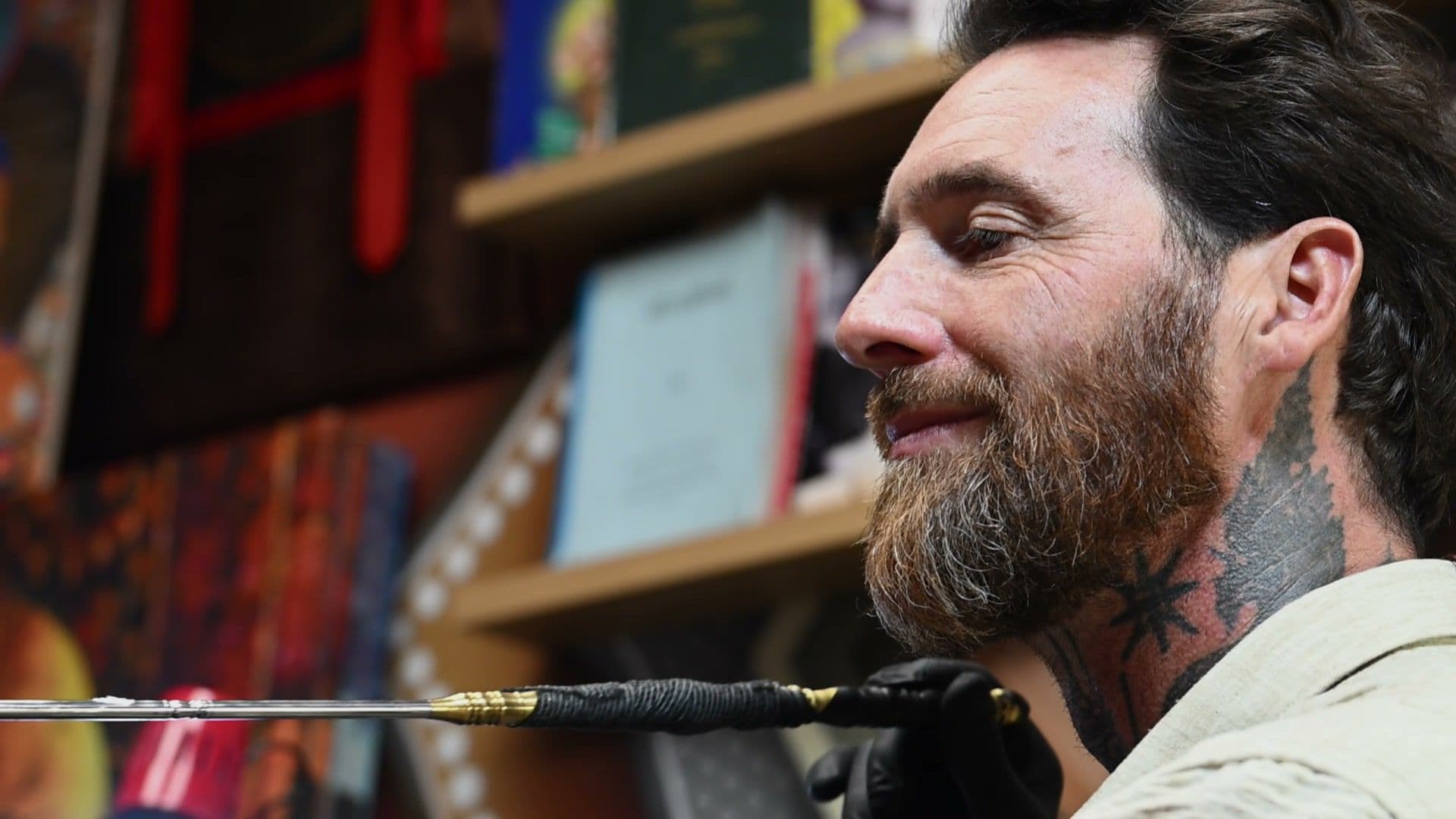
A Sak Yant is not an ordinary tattoo, and a master is not an ordinary tattooist. Discover why the master makes all the difference: the blessing, the right yant, the tradition. And read the story of Silas, trained and blessed over years with the monks in Thailand.
A Sak Yant is not an ordinary tattoo, and the person who places it is not an ordinary tattooist. A real yant is poked by hand, blessed with a prayer and carried with an intention. All of that stands or falls with the person behind the needle: the master. In this article you will read why getting a Sak Yant from a real master makes all the difference, how to recognise a master, and how Silas was trained and blessed over years with the monks in Thailand to bring this centuries-old tradition to Breda.
What makes someone a real Sak Yant master?
In Thailand a Sak Yant master is called an Ajarn. That is not a title you buy or that sits on a diploma, but a role you earn by learning for years under another Ajarn and finally being blessed yourself. A real master commands three things at once: the craftsmanship of the hand, the knowledge of the sacred texts, and the spiritual responsibility that comes with it.
Craftsmanship: line by line, by hand
A master places a yant with the traditional handpoke technique, often with a bamboo rod. Every point is set by hand, in a calm rhythm. That is something quite different from a machine tattoo: it is slower, gentler on the skin and demands years of practice before the lines become clean and even.
Knowledge: the sacred Khom script and the symbols
A real master understands the symbols and the Khom script that form a yant. He knows which sacred lines such as the Hah Taew suit which intention, and can judge whether the powerful Gao Yord is right for you. A yant is not a picture you pick off a poster, but a choice the master makes together with you.
Responsibility: the blessing and the ethics
The most important difference lies in the blessing. During the placing, a master recites the correct mantra and seals the yant with a prayer. In doing so he also passes on the five life rules that belong to a sacred yant. A master also weighs whether a yant actually suits someone, and says no honestly when it does not.
The story of Silas: from Klundert to Thailand
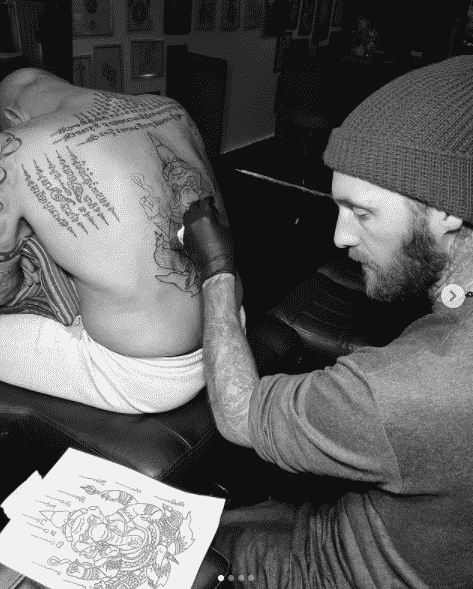
Silas grew up in a warm family in Klundert, in the Dutch province of Brabant. Travelling and the search for meaning would not let him go. In 2008 he lived in New York, and in 2010 that search took him to the heart of Thailand. Not as a tourist grabbing a quick yant, but as someone who wanted to understand the origin and the tradition from within.
In Thailand he submitted for years to the discipline of the monks. He practised endlessly with the needle, learned to draw the Khom script, and studied the mantras and prayers that give a yant its power. What began as a personal quest became a craft and a calling.
The blessing to become a master
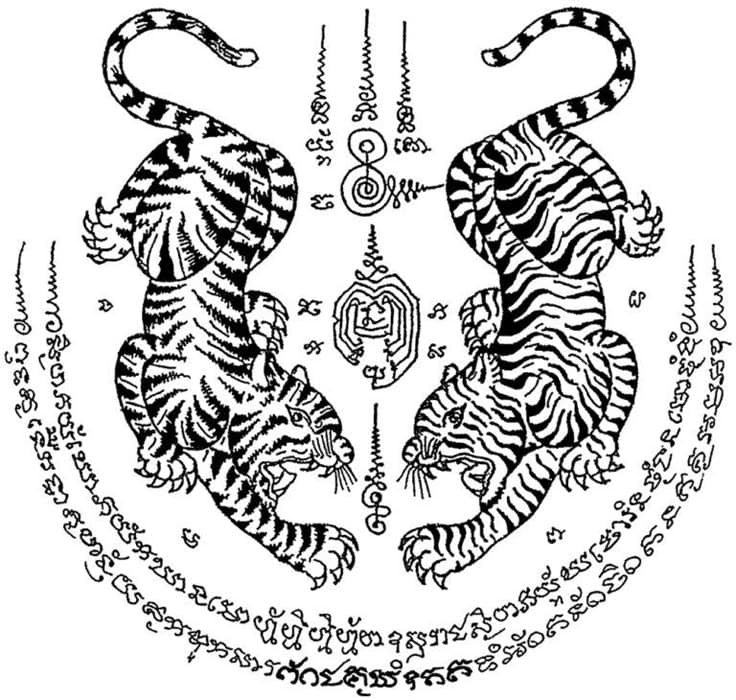
The defining moment was the blessing: the sacred moment in which a student receives the blessing of his master to place yants himself. Not a formality, but a deeply spiritual moment. Only with that blessing does someone carry the responsibility to place a real Sak Yant.
A Sak Yant without a blessing is beautiful to look at, but misses exactly what makes it a yant.
This is why Silas is one of the few officially blessed Sak Yant masters in Europe. Read his full story about the training, the temples and the blessing he received.
The risk of a Sak Yant without a master
Sak Yant has become popular, and that also attracts people who have not mastered the tradition. A tourist studio that pokes a Thai-looking design in five minutes may give you a nice holiday memory, but not a sacred yant. A decorative Thai design without a blessing is something other than a real Sak Yant, and a machine tattoo posing as a Sak Yant is not a Sak Yant.
The consequences are not only spiritual. Without the right hygiene and technique you risk a poorly healed tattoo, faded lines or a design that carries the wrong meaning. A suspiciously low price is often a sign that something is missing: the experience, the blessing, or both.
What you get from a real master
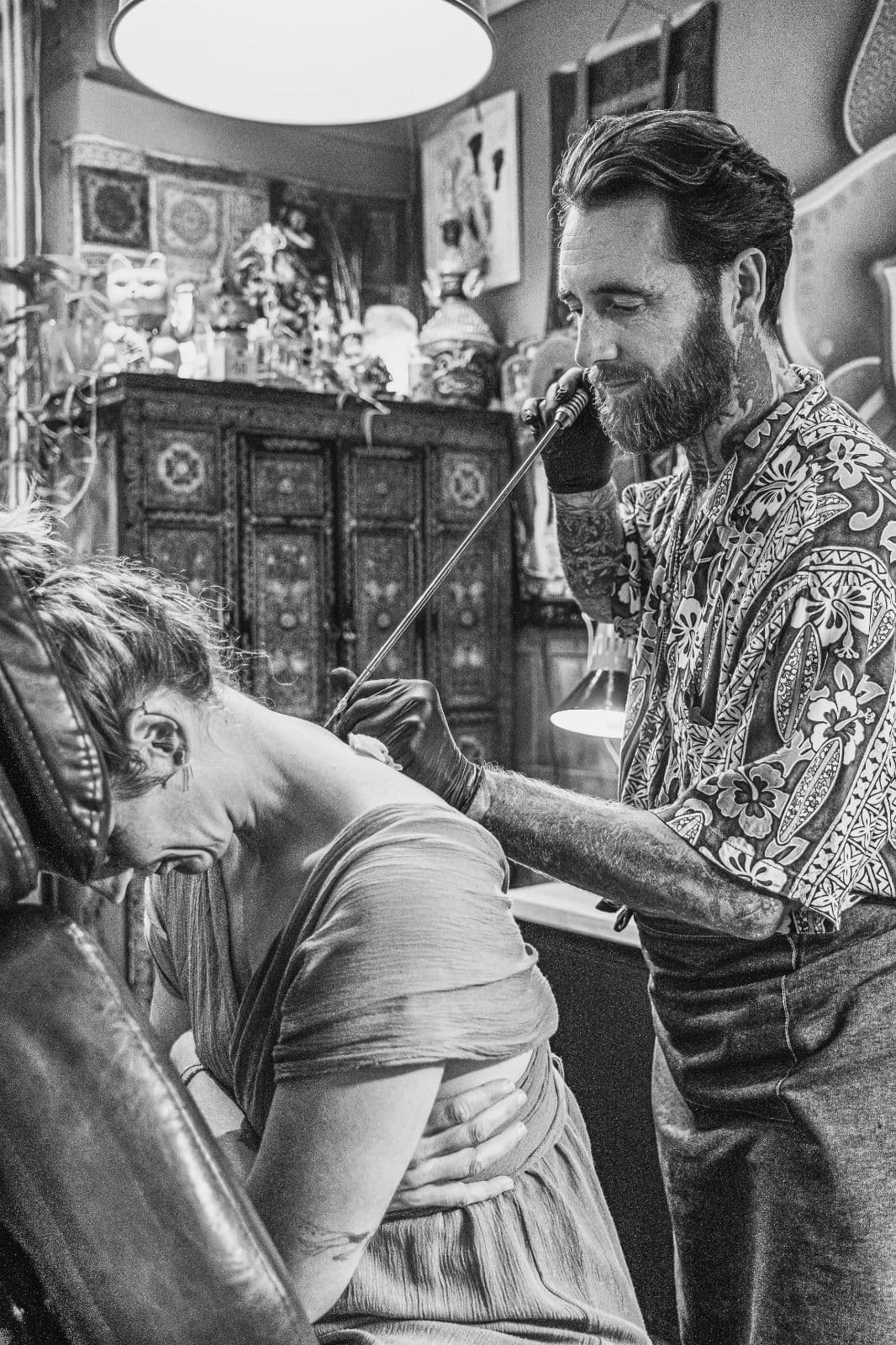
With a real master you get far more than ink on your skin. You get a personal conversation centred on your intention, a yant that suits you, the placing by hand in a calm and clean studio, the right placement on your body, and the blessing that gives the yant its power. Afterwards you get clear aftercare advice, so your yant can last for decades.
A master also takes the time to prepare you. If you want to know how the placing feels, you can calmly read what you can expect about the pain. And if you want inspiration for your design, have a look at our Sak Yant designs. With a master you are never rushed: a yant is something you carry for life, so the choice may take time.
How do you recognise a real Sak Yant master?
A trustworthy master is open about his training and his lineage: who did he learn from, and is he blessed? He works by hand, takes the time for an introduction, and chooses the yant together with you instead of selling you something. He tells you about the meaning of the symbols and the five life rules, and he is honest when a certain yant does not suit you. And he closes every session with a blessing, exactly as it is done in the temples of Thailand.
Frequently asked questions about the Sak Yant master
What is an Ajarn?
Ajarn is the Thai word for master or teacher. In Sak Yant an Ajarn is someone who has learned for years under another master and has been blessed to place yants himself. It is an earned role, not a title you buy.
Does a Sak Yant have to be placed by a master?
For a real, sacred Sak Yant, yes. The blessing and the mantra are inseparable from the yant, and only a blessed master can give them. Without a master you have a Thai-looking design, but not a Sak Yant in the true sense.
Is Silas a blessed master?
Yes. Silas submitted for years to the discipline of the monks in Thailand and received the blessing to place Sak Yant himself. Read his full story.
Can I get a Sak Yant from a master in the Netherlands?
Yes. You do not have to travel to Thailand for an authentic yant. In our studio in Breda, also easy to reach from Belgium, Silas places Sak Yant with the same technique, mantra and blessing as in the temple.
How do I know the blessing is real?
A real master is open about his training and lineage, closes every session with a prayer and a blessing, and can explain what the mantra and the life rules mean. For practical questions you can also check the frequently asked questions.
Ready for a Sak Yant from a real master?
A Sak Yant is something you carry for life, so the master behind the needle matters. Want an authentic, blessed yant from a trained master? Make a free appointment at our studio in Breda and discover, together with Silas, which yant suits you.
Recent blogs
Dive deeper into Sak Yant, traditions and tattoo care.
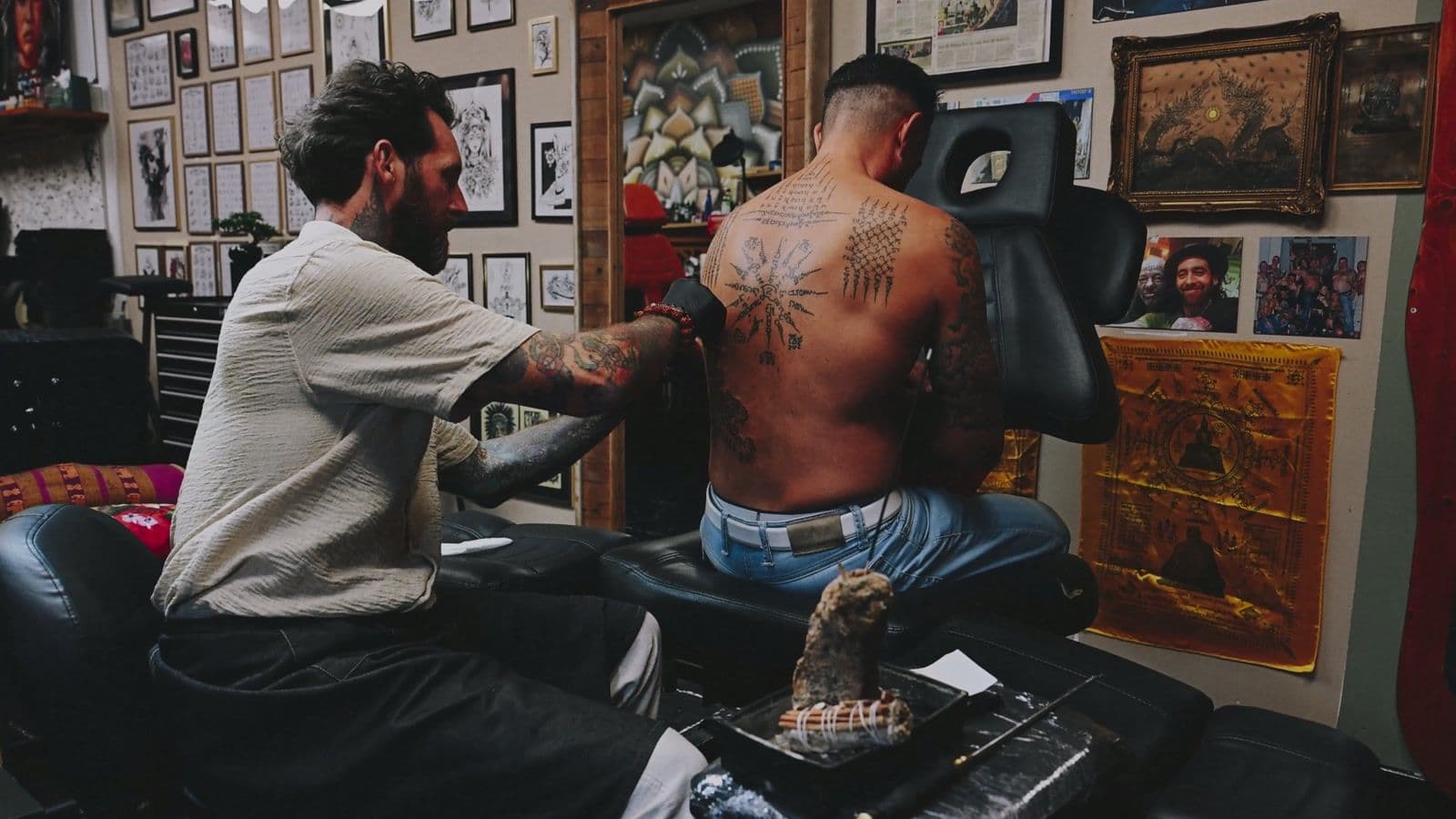
Sak Yant video: how a Sak Yant is tattooed in the Netherlands
A Sak Yant from start to finish, filmed at the studio. Watch the video and read what you see: the design, the rod, the calm in the studio and the closing moment.
4 min read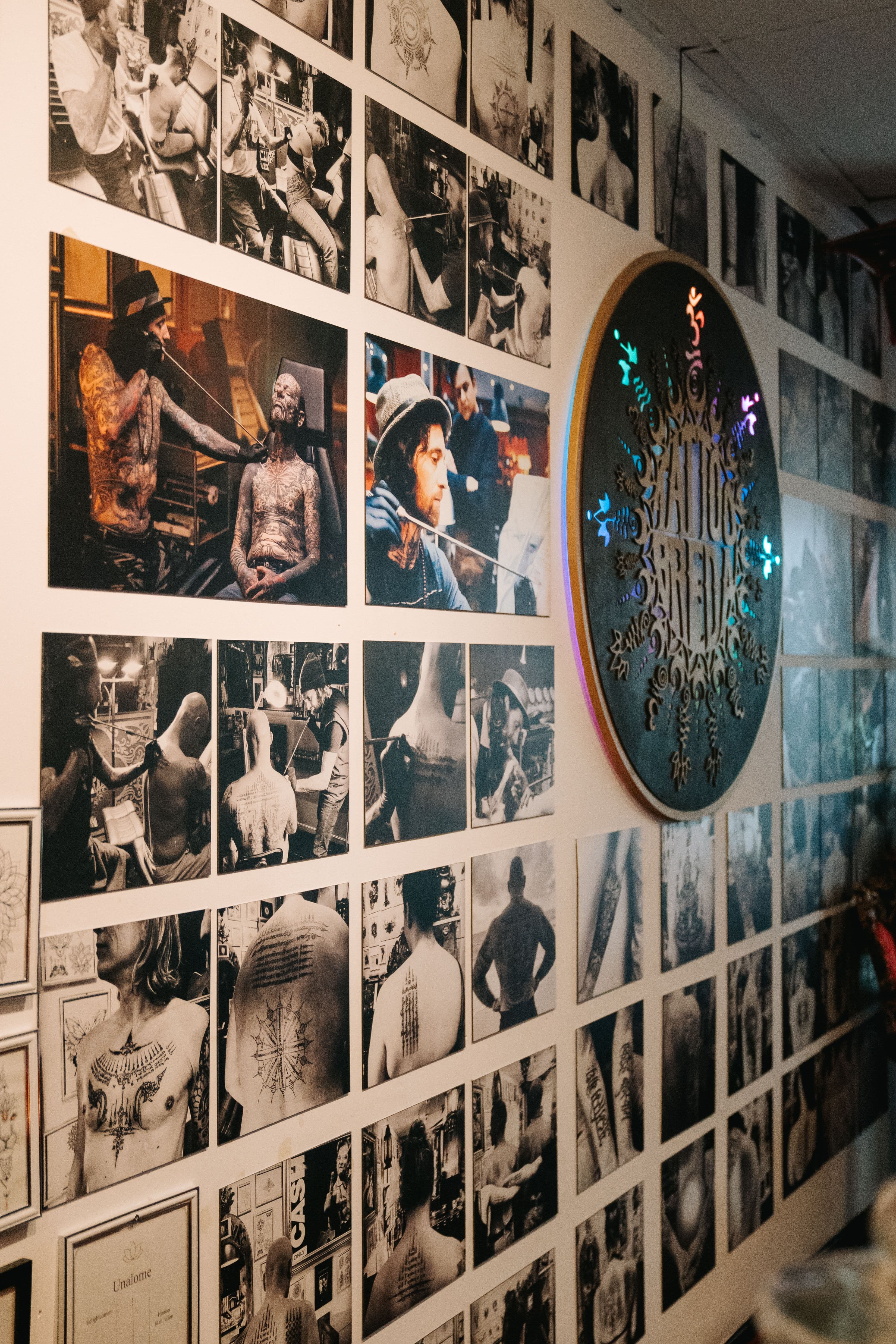
The 10 most popular Sak Yant designs and what they mean
From the Hah Taew to Ganesha: the ten Sak Yant designs chosen most often, with their meaning and where they work best on the body.
6 min read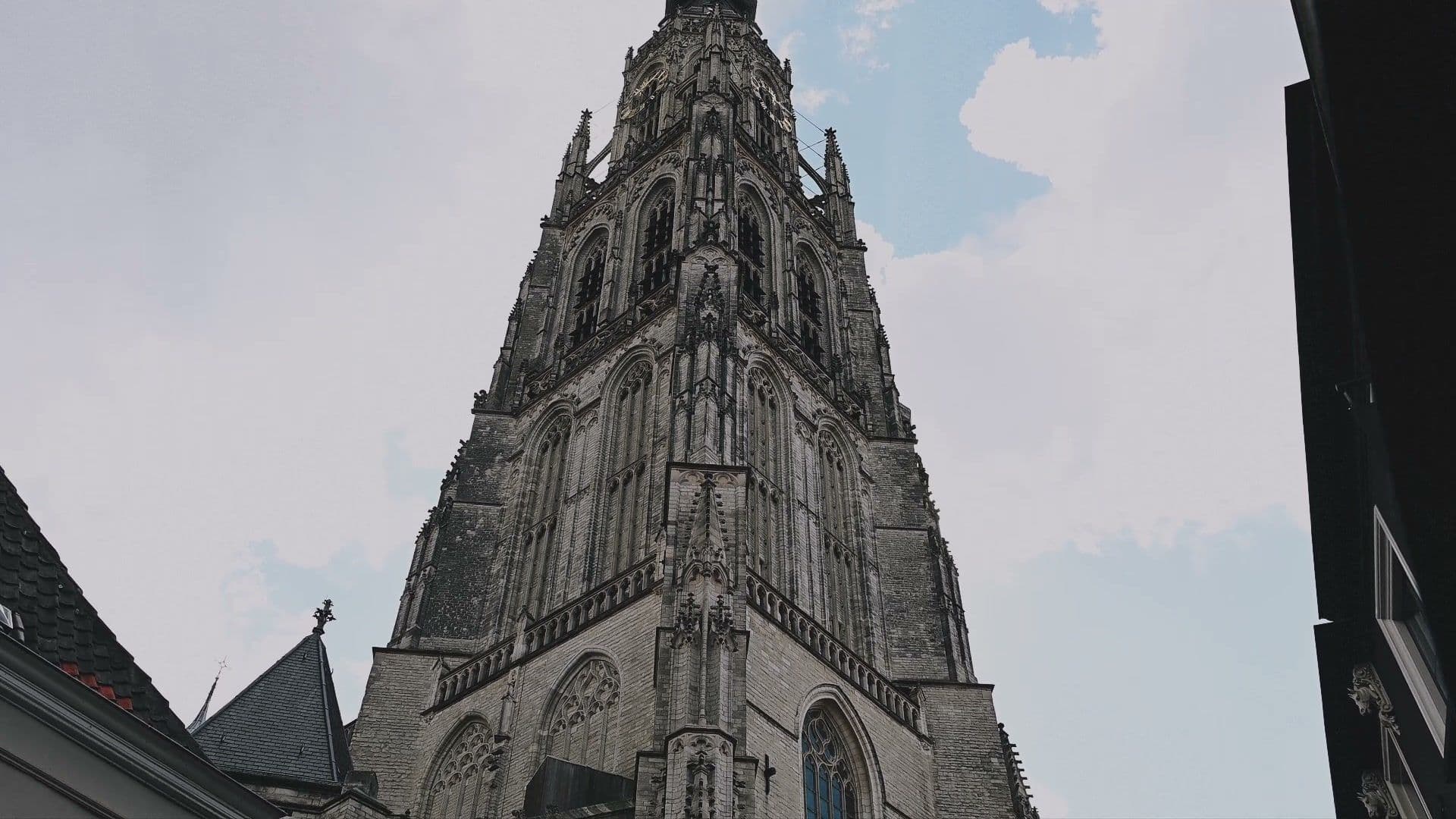
Getting a Sak Yant from Amsterdam, Rotterdam, Utrecht or Eindhoven
You will not find an authentic Sak Yant in every city. How long it takes to reach the studio in Breda from Amsterdam, Rotterdam, The Hague, Utrecht and Eindhoven, and what to look for.
5 min read