
The 5 life rules of Sak Yant - the silent promise behind every sacred tattoo
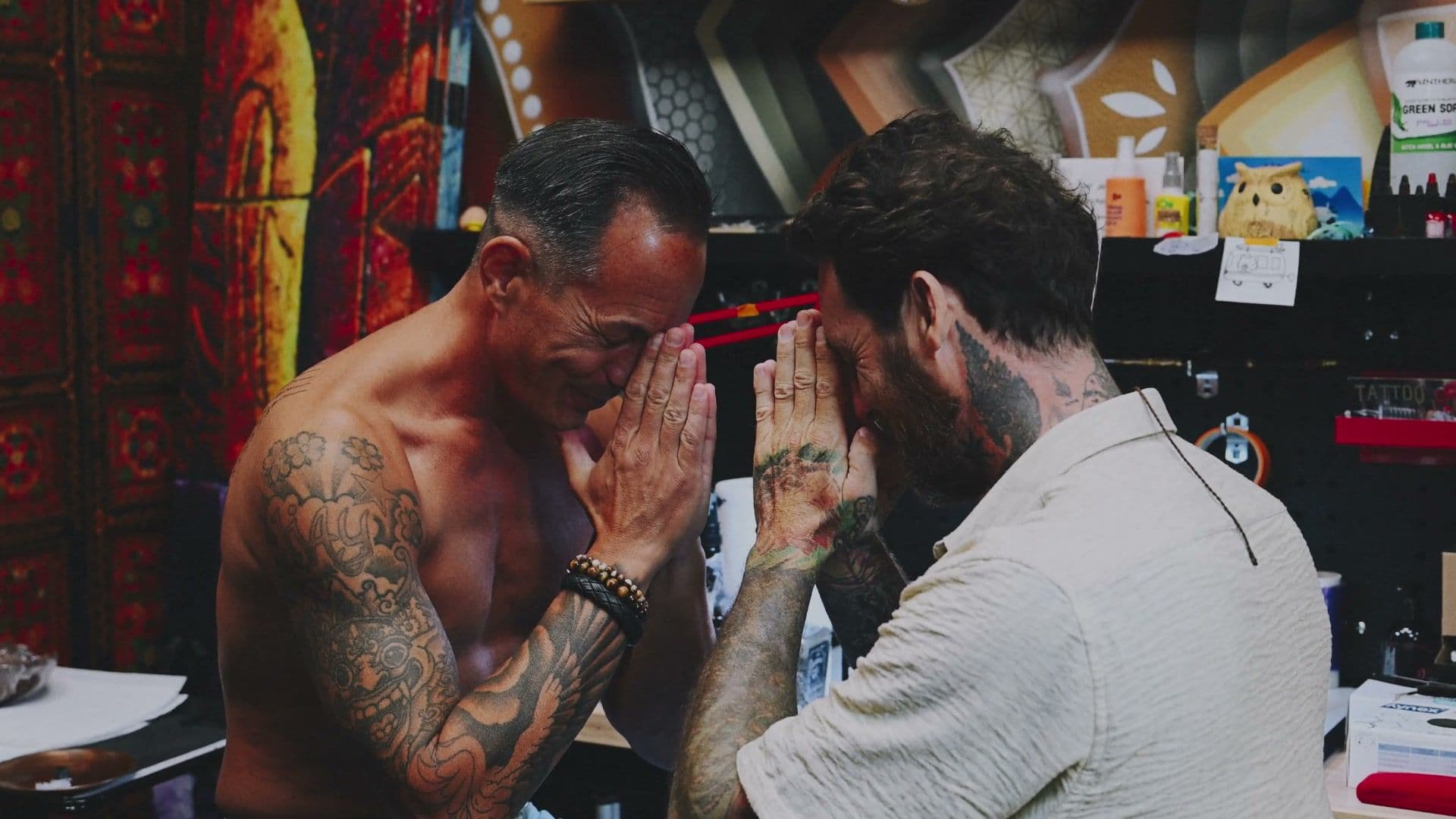
A Sak Yant is not ink - it is an agreement. Five ancient rules come with your tattoo. No punishment if you break them, but loss. Here is what they mean, where they come from, and why they still matter after 2,000 years.
"Be careful not to lose it"
Within the Sak Yant tradition it is often summed up like this:
"The ink stays. The power - that is up to you."
It was not a warning. It was an invitation.
What that means: a Sak Yant is not a souvenir, not a fashion statement, not a finished design. It is anagreement you enter into with the tradition itself. And with that agreement come five ancient life rules. No laws with punishment, no dogma from above. But a silent promise that gives the tattoo its meaning - itssaksit, its sacred power.
Most people receive their Sak Yant without ever hearing about these rules. In our studio, we always tell you beforehand. Not to discourage you. Not to impose spirituality. But because this is where the difference lies between a beautiful design and a living tradition.
In this article we explain where the Sak Yant rules come from, what they precisely mean, what happens when you break them, and how to live with them in a modern European life.
Where do the Sak Yant rules come from?
The rules were not invented by tattooists. They come directly from Buddhism, and specifically from thePañca Sīla- thefive moral guidelinesevery layperson in the Theravāda tradition knows. Theravāda is the oldest branch of Buddhism and still the dominant stream in Thailand, Cambodia, Laos and Myanmar.
When Sak Yant emerged more than two thousand years ago from a fusion of Indian tantric protection magic and Buddhist ethics, the Pañca Sīla were directly linked to receiving a sacred tattoo. Anyone receiving a Yant not only got a protective design from the Ajarn - they also agreed to these five guidelines.
The idea is simple: a tattoo that protects and strengthens you only works if the wearer themselves lives in line with what the tattoo symbolises. A fighter with a Tiger Yant who picks fights every night burns through the power in a week. An unmarried monk with a Gao Yord who lives by the rules can rely on it for a lifetime.
The 5 life rules of Sak Yant - explained
Here are the five rules, in the order they are traditionally passed on. For each rule we explain what it originally meant, how Thai Ajarns interpret it today, and how you can see it in a modern context.
1. Do no harm to living beings
In Pali:Pāṇātipātā veramaṇī. Literally: "I abstain from killing or harming living beings".
In the oldest traditions this went so far that warriors with a Sak Yant were told never to attack first - only to defend when truly necessary. The tattoo was meant to protect themso thatthey had the calm to make that choice.
In modern practice the rule reaches further than physical violence. It also covers harmful words, deliberately causing harm through neglect, and unnecessary cruelty to animals. A Sak Yant does not forbid you from eating meat or swatting a mosquito. The guideline is aboutintent and cruelty, not absolute non-violence.
2. Do not take what is not given
In Pali:Adinnādānā veramaṇī. The second rule sounds simple: do not steal.
But anyone who takes it seriously soon discovers the rule is bigger than theft. In the Thai context it is often explained as:take nothing that has not been freely given. That includes money and possessions, but also time, credit - taking name for another's work - and trust. Those who live honestly in this way wear their Sak Yant with straight shoulders.
3. Respect what others have committed to
This is the rule that has by far the most stories around it, and the one that surprises many Western wearers when they hear it.
In Pali:Kāmesumicchācārā veramaṇī. Loosely translated: "I abstain from sexual misconduct". In Thailand this has for centuries been explained as:do not sleep with someone else's partner, and the Sak Yant keeps its power.
This is not about chastity. It is not about how often you have sex or with whom. It is aboutfaithfulness to what you have committed to- to your partner, to your friends, to yourself.
Many Thai tattooists place extra weight on this rule because it also says something about your character beyond the bedroom: those who respect the relationships of others respect boundaries in general.
4. Speak no untruth
In Pali:Musāvādā veramaṇī. The fourth rule: do not lie.
Sounds simple. It is not. Because it is not only about outright lies - it also covers half-truths used to mislead, promises you have no intention of keeping, and lying to yourself about who you are or what you do.
A Sak Yant cannot be hidden. It sits on your skin, on your record, and is a public statement about what you hold high. Anyone who lies to others eventually lies to the design they wear.
5. Keep your mind clear
In Pali:Surāmeraya-majja-pamādaṭṭhānā veramaṇī. The fifth rule originally referred to alcohol and fermented drinks that cloud the mind.
Today the rule is read more broadly. It is about everything that takes away your clarity: excessive alcohol, drugs and mind-altering substances, but also compulsive distraction and endless scrolling.
The reasoning behind it: a Sak Yant works throughintention. Lose your clarity and you lose the intention - and with it the protection.
Many people think this is a total ban on alcohol. It is not. The guideline is about loss of control, not a glass of wine with friends.
Regional variants and extra rules
In some Thai traditions - especially in the north around Chiang Mai and in the Isan region - extra rules are added for specific Yants. These do not apply to everyone, but depend on the design you receive.
Examples of regional additions: do not eatbua(lotus) with certain lotus-themed Yants; do not eatpak boong(water spinach); do not walk under washing lines, especially when the Yant sits on your back; never step over someone's head; do not casually tell everyone what your tattoo means - protection works better when it is not boasted about.
These regional rules are passed on by your Ajarn the moment you receive your tattoo. In our studio Silas discusses which (if any) apply to your specific design.
What happens when you break a Sak Yant rule?
Here it gets interesting - and here lies the essential difference between Sak Yant and Western spiritual tattoos.
In the Sak Yant tradition there isno punishment from above. There is no curse, no vengeance of a deity, no demon emerging from the design. That is a misunderstanding mainly born from Western films.
What does happen is subtler: the tattooloses its saksit- its sacred power. The ink remains. The design remains. It is still a beautiful tattoo. But the protection, the blessing, the purpose - those slowly slip away. Some Thai wearers describe it as: "the Yant falls asleep".
Three signs that a Sak Yant is losing its power
According to tradition these are the three most common signals: you no longer feel a connection with the design and it becomes "just a tattoo"; the protection is no longer activated and situations that used to flow calmly become unnecessarily heavy again; you notice you often think back to the Ajarn who gave it to you - that, according to tradition, is a sign that something needs renewal.
No disaster. No judgment. But a compass.
Restoring a broken Sak Yant: the Wai Khru
In Thailand there is a beautiful ritual for this: theWai Khru("honour to the teacher"). It is an annual ceremony where Sak Yant wearers return to their Ajarn for a renewal of the blessing.
During the Wai Khru the Yant is "reactivated" with mantras and sacred oil, you confess any breaches of the rules - not to the Ajarn personally, but inwardly - and you renew your intention to live by the rules.
It is not a confession in the Catholic sense. It is areset. In our studio we offer a European form of this renewal: a quiet session with Silas in which the blessing is laid down again, without extra ink being added.
How Silas sees it
We asked Silas how he - as a Western Sak Yant master - looks at this personally.
"The rules are not chains. They are a compass. If you notice you no longer feel your Sak Yant, look first at how you live. Nine times out of ten the answer is there. I do not impose them on my clients. I tell them. After that it is up to them. But over the years I have learned one thing: people who take the rules seriously come back after a year and say: My life has become quieter. I do not say that - they do. And that is no coincidence. That is how it works."
Silas was himself blessed as a Sak Yant master in Thailand. You can read his full story in our blog about his blessing in Thailand.
The Sak Yant rules in a modern European life
A common question in our studio:"Do these rules still work in 2026, in Europe, with my busy life?"
The short answer:yes, precisely because of that.
The rules were never intended as religious laws. They are a guideline for a life with intention. And in a time when we are constantly overwhelmed by stimuli, choices and noise, these five principles may even have more value than two thousand years ago.
Those who take them seriously discover something remarkable: not that life becomes harder - butquieter. Not more rules - butless noise. Not ascetic - butmore focused. The Sak Yant becomes a daily reminder of who you want to be. Every time you see it in the mirror, you hear the silent promise you made.
Frequently asked questions about Sak Yant rules
Do I have to be Buddhist to get a Sak Yant?
No. By far the most people who get a Sak Yant in our studio are not Buddhist. The rules are not a creed - they are an ethical compass that fits any worldview.
What happens if I accidentally break a rule?
Nothing dramatic. One-off slip-ups do not "break" a Sak Yant. It is about the pattern, not individual incidents. Do you feel connected to how you live? Then the Yant remains powerful.
Do I have to become vegetarian?
No. The first rule - do no harm to living beings - is not interpreted by Thai Ajarns as mandatory vegetarianism. It is about intent, not diet.
Can I still drink alcohol with a Sak Yant?
A glass of wine with dinner does not break a rule. The fifth rule is aboutloss of control- not absolute abstinence. Excessive drinking or drunken bad decisions, that is what weakens the Yant.
What if I am already married and my relationship ends?
An honest divorce is not a breach of the third rule. That rule is aboutdeception- not about what a healthy, honest relationship requires when it comes to an end.
Can I restore my Sak Yant power if I have drifted?
Yes. Through the Wai Khru renewal, or through a new personal connection with the meaning of your tattoo. Many people find that an honest "restart" - inwardly or through a second session - is enough.
Do the rules still count if my Sak Yant was not done by an Ajarn?
In the strict tradition only Sak Yants placed by a blessed master carrysaksit. A Sak Yant design done by a regular tattoo artist is atattoo- not a Yant. The rules then apply as a personal guideline, but there is no sacred power to lose.
Ready for your Sak Yant?
We always share these rules before your session. Not to convince you. Not to impose anything. But because it makes a difference: a Sak Yant placed by someone who knows the tradition, and worn by someone who understands the agreement - that is when the design comes alive.
Do you have questions about which Yant suits where you are in your life right now? Or do you want to know how a session at our studio works?Book a free introductory talk- we are happy to think with you.
Recent blogs
Dive deeper into Sak Yant, traditions and tattoo care.
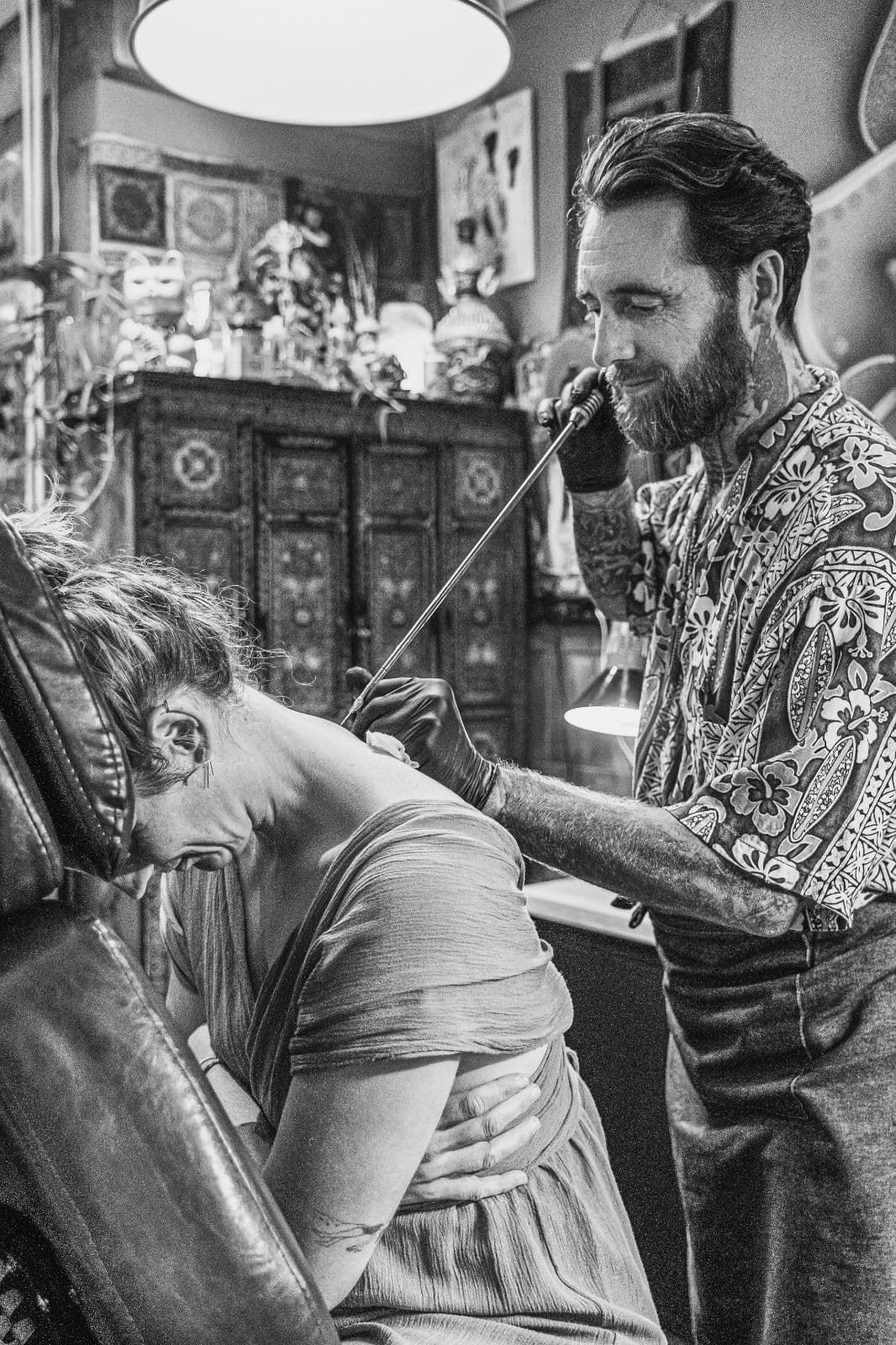
Tattoos that mean love: six symbols of love and connection
Which tattoo stands for love? Six symbols explained, from the Na Metta and the Hong birds to the lotus, plus strength and love in one design and tattoos for couples.
7 min read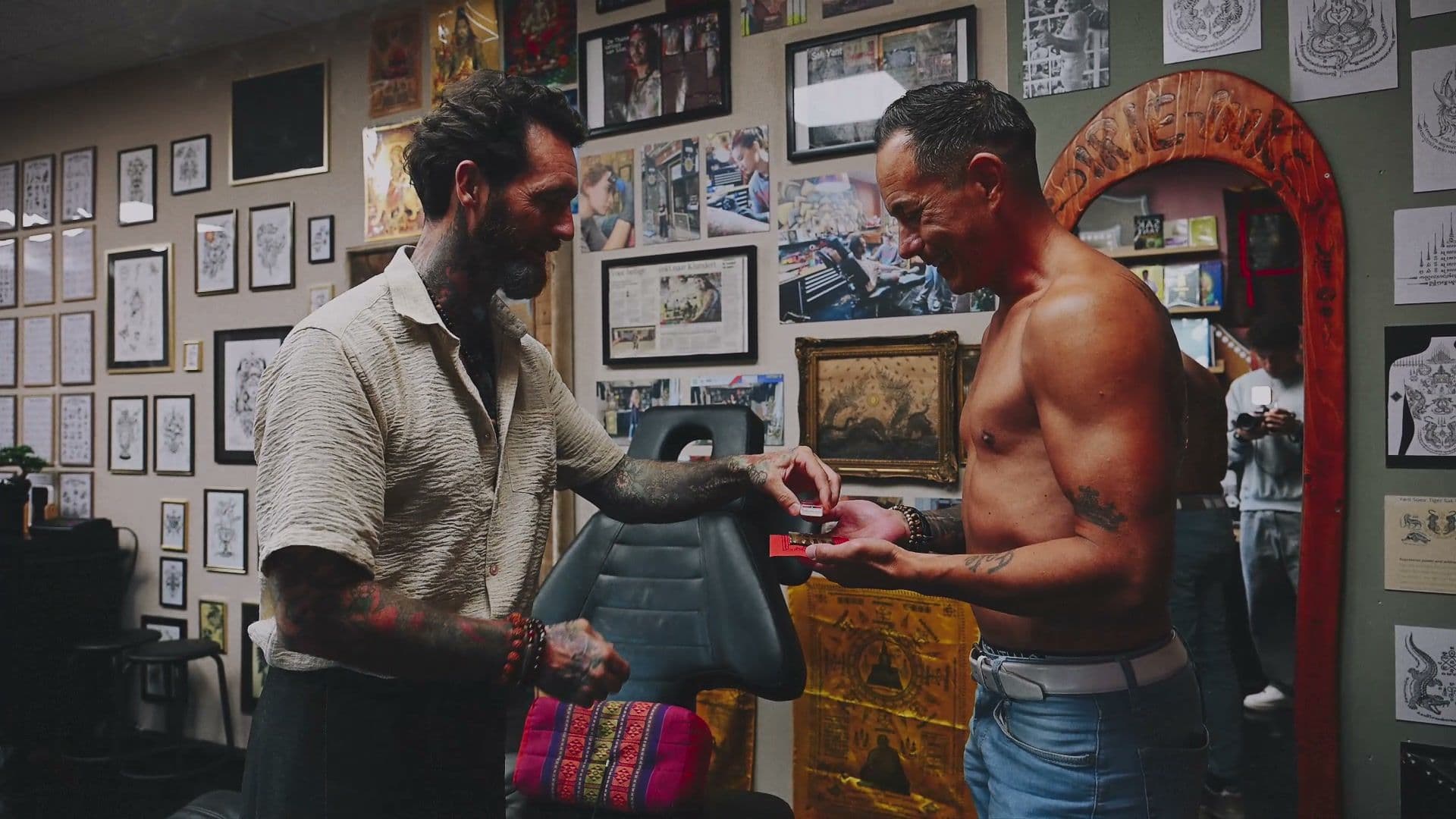
Can a Westerner get a Sak Yant? On respect and cultural appropriation
Is a Sak Yant cultural appropriation? How people in Thailand see it, where the line lies between respect and a lack of it, and what you can do in practice.
7 min read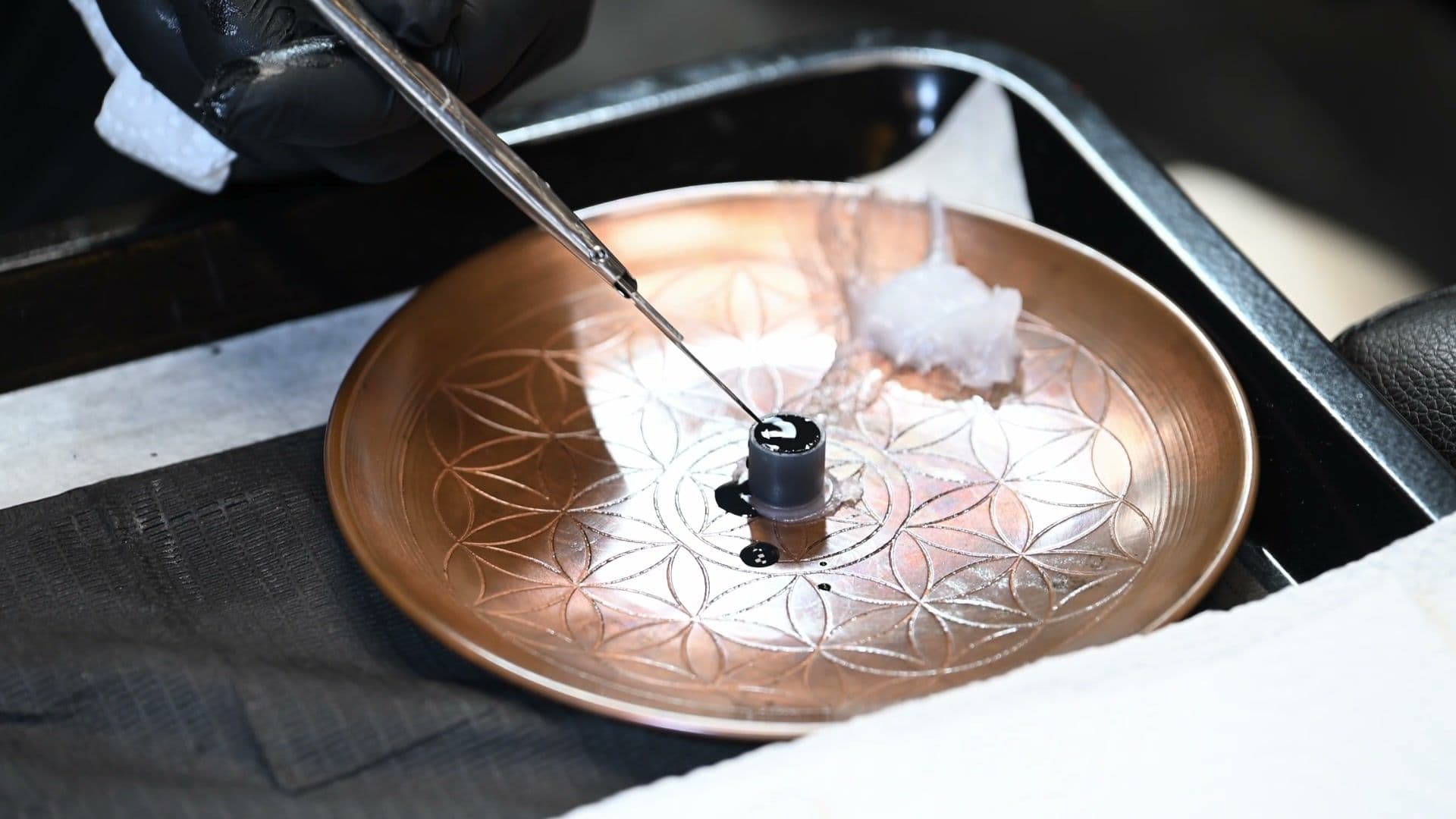
Holistic tattoo: a tattoo as a ritual, not a product
Holistic tattooing means the reason, the conversation, the ritual and the aftercare weigh as much as the design. The four phases, what really differs, and what merely sounds good.
10 min read