
Bamboo Tattoo: why handpoke matters in Sak Yant
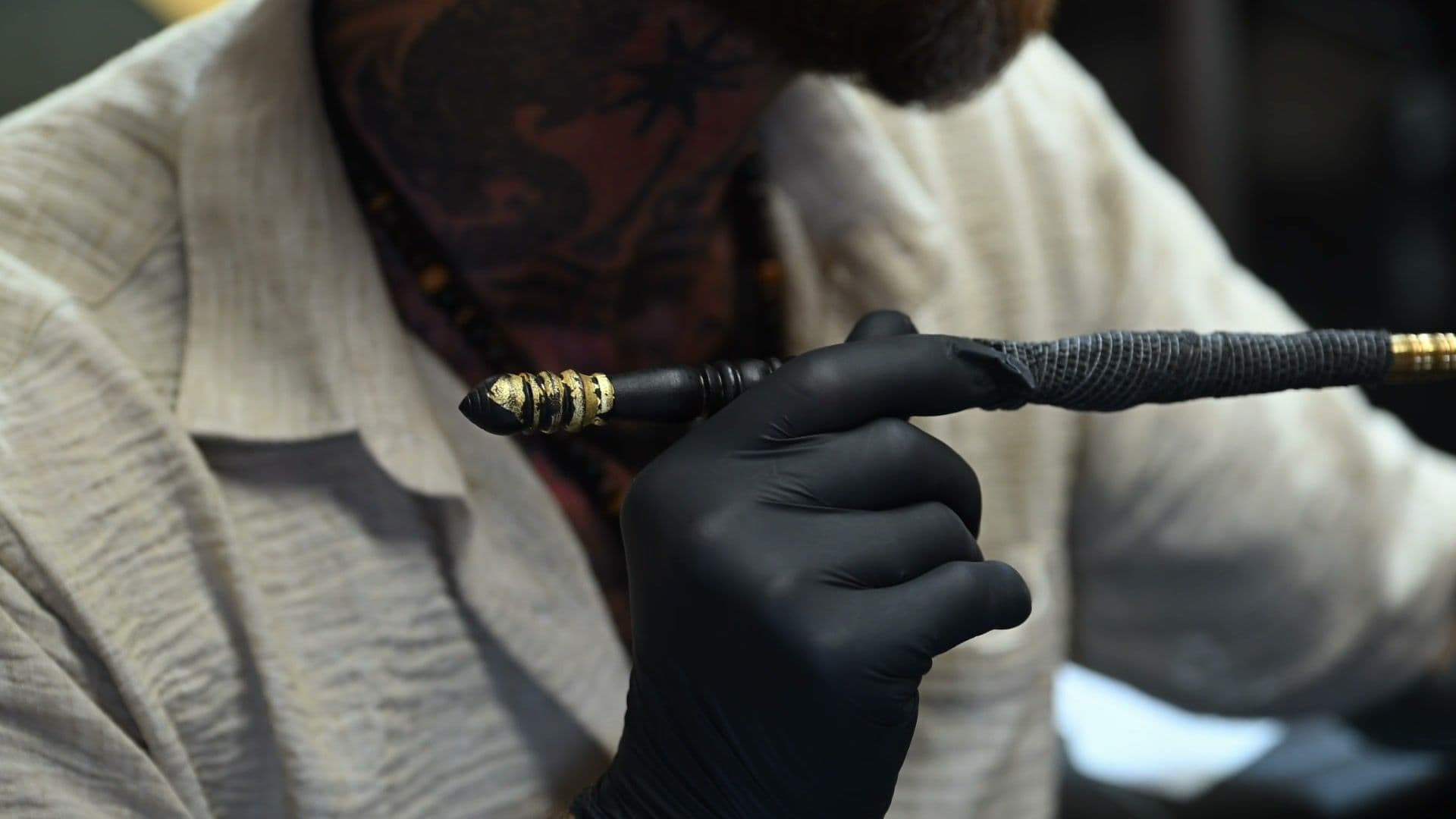
Bamboo Tattoo is the traditional hand-applied technique behind Sak Yant. What makes it different from a machine tattoo? Why does ritual matter? And what happens during a session? Everything you need to know.
A Bamboo Tattoo is more than a tattooing technique. It is an age-old method in which no machine is used, but a hand tool - traditionally made from bamboo or metal. Point by point, rhythmically and with full control. Within the Sak Yant tradition, this is not merely an aesthetic choice - it is the original method where spiritual ritual, intention and craftsmanship come together completely.
What exactly is a Bamboo Tattoo?
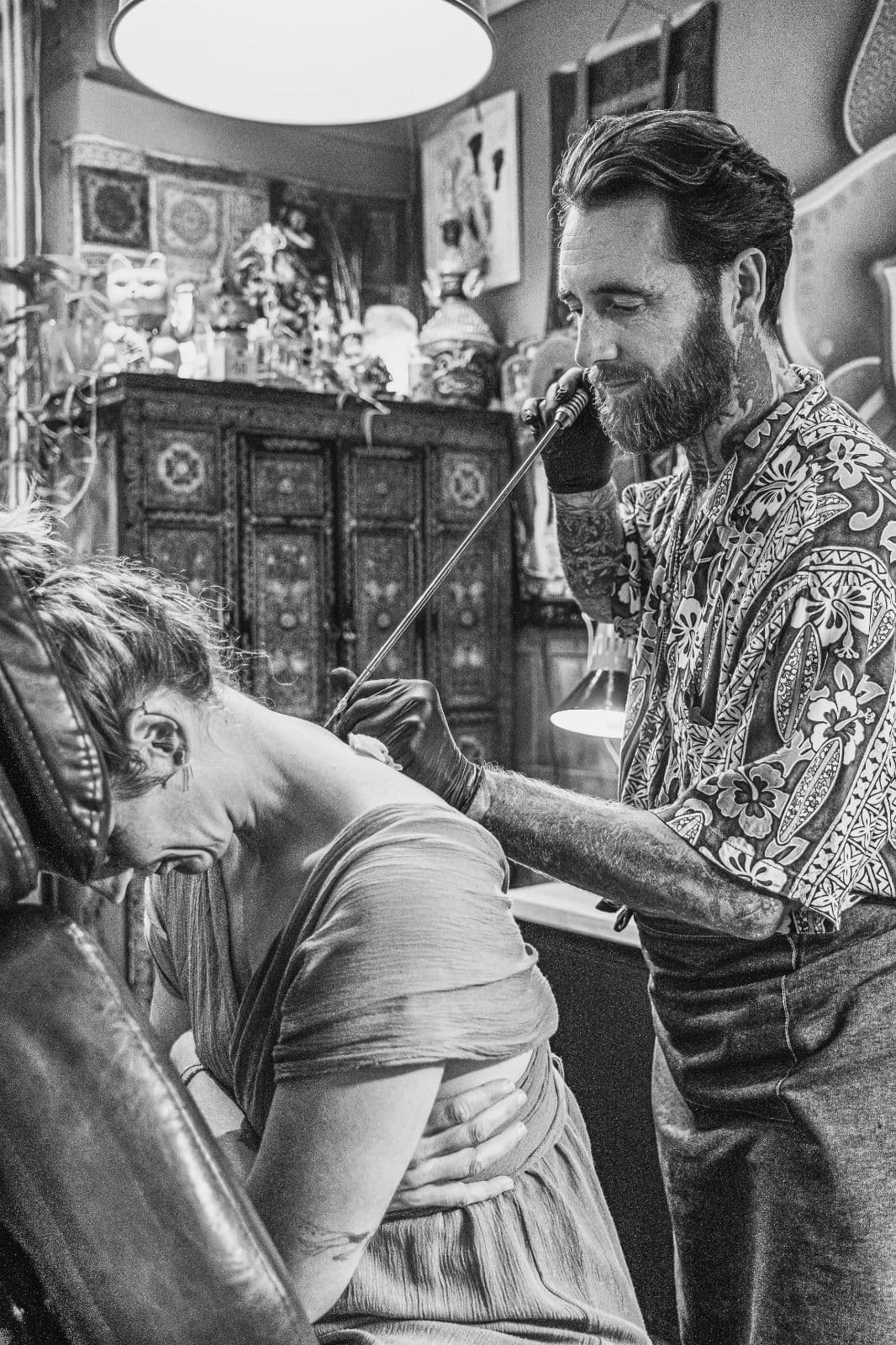
A Bamboo Tattoo, also called "handpoke" or "sak" (the Thai word for "tattoo by jabbing"), is applied using a rod or stick to which a needle or cluster of needles is attached. The ajarn - the Sak Yant master - dips the needle in ink and rhythmically presses it into the skin. The result is a tattoo built up stroke by stroke, without the constant vibration and buzzing of an electric machine.
In Thailand, this technique has been the standard for centuries. Only in recent decades has the electric tattoo machine made its way into the tradition. Many traditional ajarn's reject the machine entirely: they believe the ritual process and the energy poured into a handpoke session cannot be replaced by mechanical speed.
Bamboo Tattoo versus machine tattoo: what is the difference?
The most obvious difference is the technique itself, but the implications run deeper than you might expect.
Sensation and experience
A machine punctures dozens of times per second. The skin is struck rapidly and repeatedly, creating an intense and continuous sensation. A Bamboo Tattoo operates at a calmer pace. Many people describe the sensation as more manageable and steady - more of a tapping feeling than a burning or scraping one. The session feels more controlled, which also fits the ritualistic atmosphere.
Healing and skin response
Because the needle enters the skin less aggressively in a handpoke, some people experience a different healing period. The skin may become less inflamed during the session, though this varies greatly per person and placement. Recovery is generally comparable to a machine tattoo, provided aftercare is properly followed.
Line work and precision
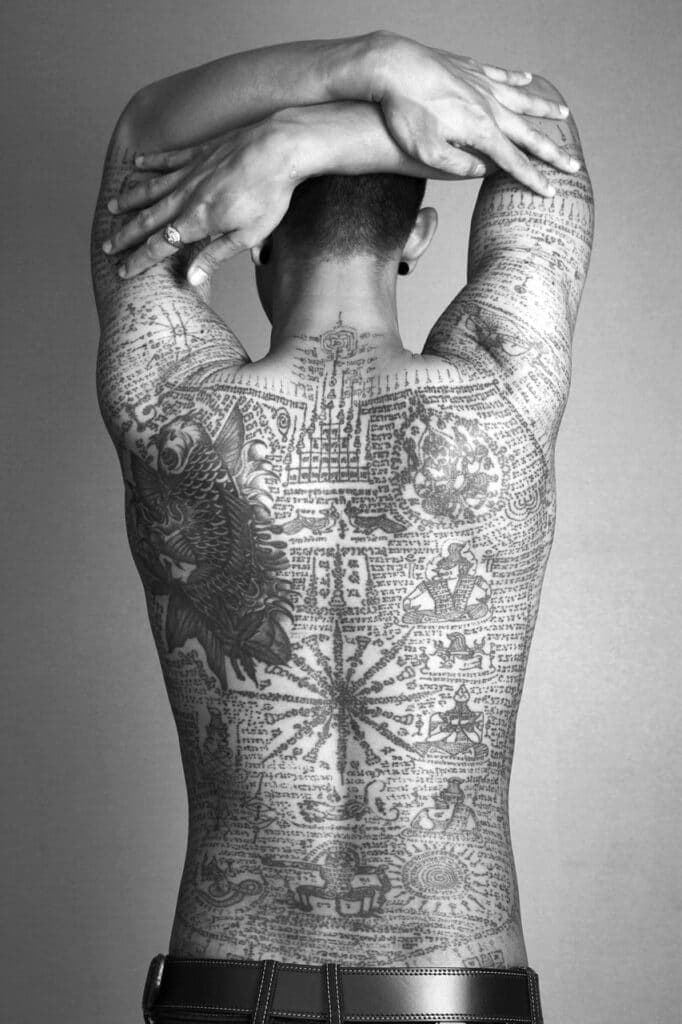
Traditional Sak Yant patterns largely consist of fine line work, sacred script in Khmer or Pali, geometric forms and animal symbols. This type of work suits the handpoke method extremely well. The master has direct control over each stroke and can work with great precision. The result often has an organic, handcrafted quality that is difficult to replicate with a machine.
Why does Bamboo Tattoo fit Sak Yant so well?
Sak Yant is not an ordinary tattoo. It is a spiritual practice deeply rooted in the Theravada Buddhist traditions of Thailand and Cambodia. The patterns - yantras - are sacred geometric drawings attributed with magical powers, from protection to love, from fortune to unstoppable courage.
The way in which the design is placed on the body is part of its power. The ajarn chants mantras, prays, and channels his intention into each stroke. This ritualistic component is inseparable from the manual technique. When you receive a Bamboo Tattoo from a certified ajarn, you are not merely receiving a tattoo - you are receiving a blessing.
The role of the ajarn
Not everyone who performs a handpoke is a Sak Yant master. A true ajarn has undergone years of training and has been initiated into the tradition by a higher master or monk. He knows the sacred texts that accompany each design, understands which combinations of yantras work and which do not, and sets the right intention before every session. This makes it fundamentally different from a decorative handpoke at a regular tattoo studio.
The power of intention
Within the Sak Yant philosophy: the power of the yant begins with intention. What do you want to strengthen in your life? Protection, courage, love, success? The ajarn aligns his ritual and his mantras with your personal intention. This dialogue, this alignment, is something a machine cannot replicate.
Popular Sak Yant designs traditionally applied by Bamboo Tattoo
Not every Sak Yant design is equally complex, but the most traditional and sought-after designs at Sak Yant are always executed using the manual technique.
Hah Taew (Five Sacred Lines)
The Hah Taew is probably the most well-known Sak Yant design in the world. Five vertical rows of ancient Khmer script, each with a different spell. The Hah Taew offers protection, attracts success, and shields the wearer against negative forces.
Gao Yord (Nine Peaks)
The Gao Yord is the "mother yant" - the most sacred of all Sak Yant designs. It is always placed first on the body, in the highest position (neck or upper back). It amplifies all other yantras on your body.
Suea Koo (Twin Tigers)
Two mirrored tigers symbolizing strength, courage and authority. Particularly beloved by Muay Thai fighters and people working on self-confidence and perseverance. A powerful design that comes into its own best in the calm, conscious rhythm of handpoke.
What to expect during a Bamboo Tattoo session at Sak Yant?
A session at Sak Yant always begins with an extensive intake. Ajarn Silas takes time to understand your intention, determine the right placement, and choose the design that fits you. No two sessions are the same - every yant is personal.
Preparation
The night before your session, it is recommended to sleep well and arrive having eaten lightly or on an empty stomach. Wear comfortable clothing that allows access to the area to be tattooed. Arrive on time and allow yourself to be present - the session is a ritual and calls for a clear mind.
During the session
Ajarn Silas begins with a prayer and the setting of sacred space. The design is then sketched on your skin and the tattooing begins. While he works, he chants mantras that activate the power of the design. How long a session takes depends on the size and complexity, and it can take longer than you expect.
After the session
After the session you receive detailed aftercare instructions. The first two weeks are crucial: avoid direct sunlight, swimming pools, and scratching the skin. The ajarn will also indicate which behavioral guidelines - the "kwan" - belong to your specific yant.
FAQ about Bamboo Tattoo and Sak Yant
Is a Bamboo Tattoo more painful than a machine tattoo?
That depends on the person, but most people experience handpoke as less intense and more manageable. The rhythm is slower and you tend to feel more in control.
How long does a Bamboo Tattoo session take?
It depends on the design, the size and the placement, and it can take longer than you expect. You get an estimate in the conversation beforehand.
Can I choose my own design?
Yes, but the final choice is always made in consultation. Ajarn Silas advises based on your intention, personality, and the meaning behind each design. Not every yant is suitable for everyone.
Is a Bamboo Tattoo permanent?
Yes, a Bamboo Tattoo is just as permanent as a regular tattoo. The ink penetrates equally deeply into the skin and stays just as well.
Ready to receive your Bamboo Tattoo?
A Sak Yant Bamboo Tattoo at Sak Yant is more than a tattoo. It is a personal ritual, a blessing, and a connection to an age-old tradition. Ajarn Silas van Gemert works from Breda and receives clients by appointment. Plan your intake and discover which design matches your intention.
Ready for your own Sak Yant session? Get in touch via the contact page or WhatsApp and plan your intake with Ajarn Silas van Gemert in Breda.
Recent blogs
Dive deeper into Sak Yant, traditions and tattoo care.
Sak Yant video: how a Sak Yant is tattooed in the Netherlands
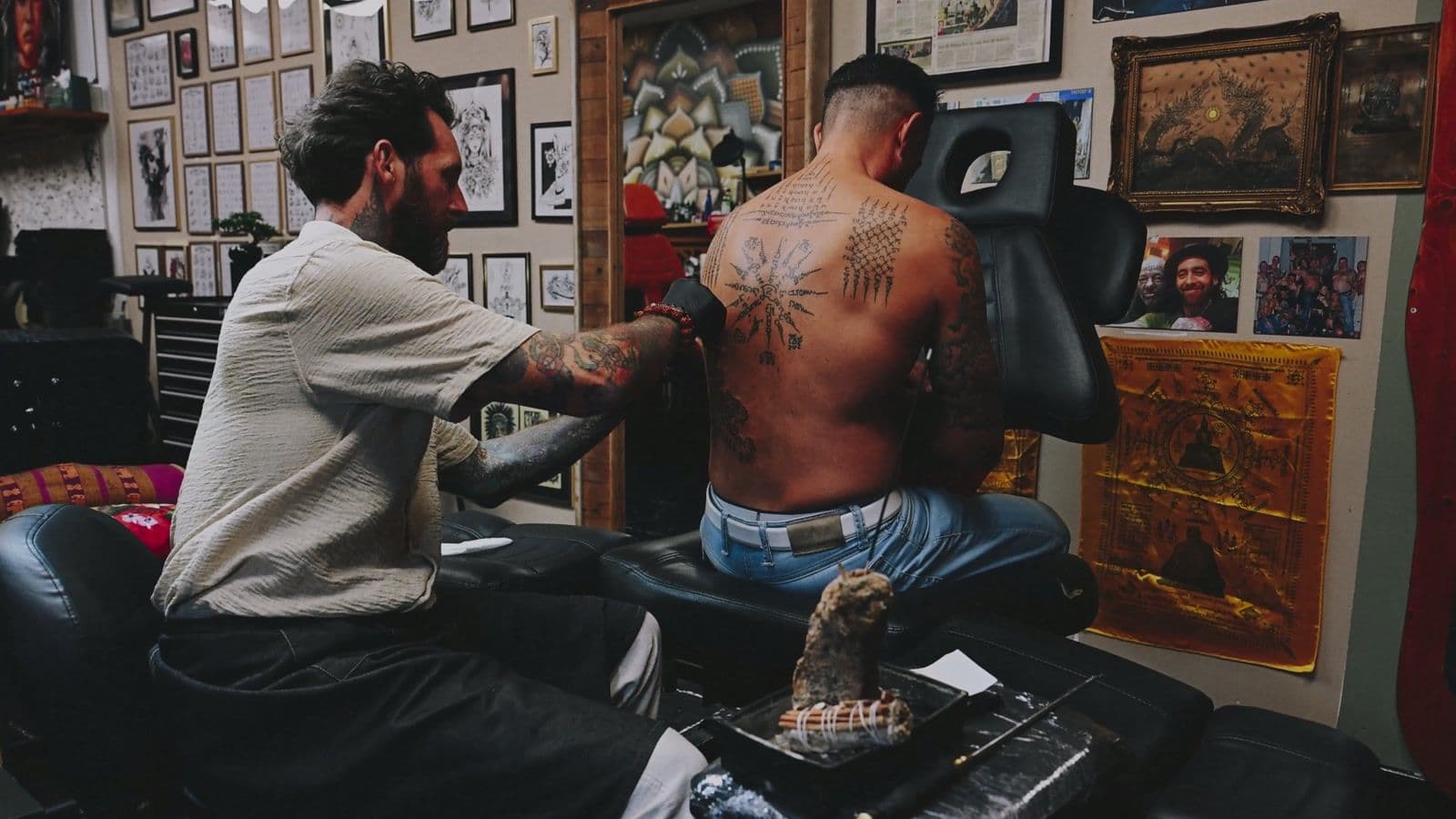
A Sak Yant from start to finish, filmed at the studio. Watch the video and read what you see: the design, the rod, the calm in the studio and the closing moment.
4 min read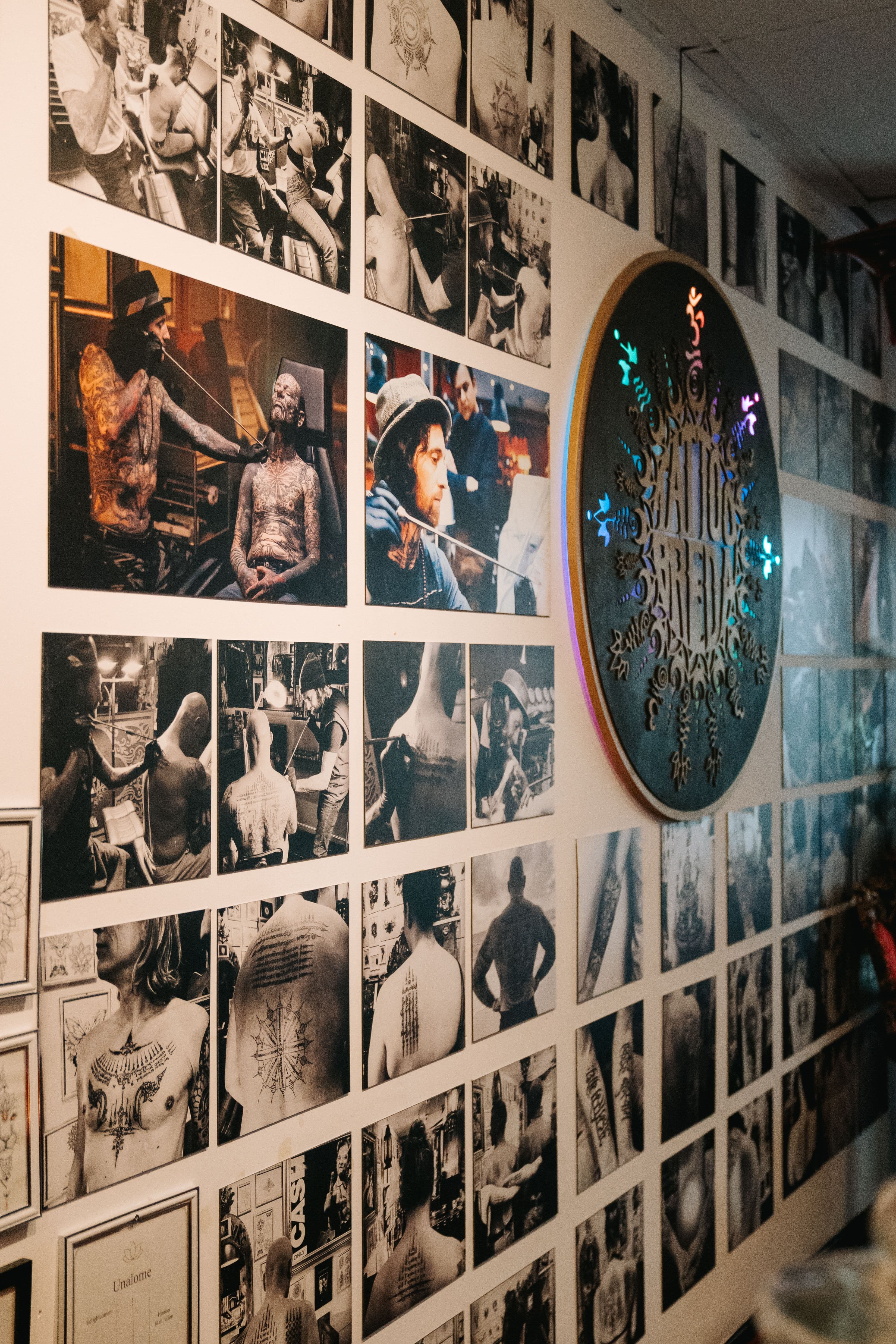
The 10 most popular Sak Yant designs and what they mean
From the Hah Taew to Ganesha: the ten Sak Yant designs chosen most often, with their meaning and where they work best on the body.
6 min read
Getting a Sak Yant from Amsterdam, Rotterdam, Utrecht or Eindhoven
You will not find an authentic Sak Yant in every city. How long it takes to reach the studio in Breda from Amsterdam, Rotterdam, The Hague, Utrecht and Eindhoven, and what to look for.
5 min read