
Sak Yant vs. machine tattoo: what's the difference?
Many people wonder: what makes a Sak Yant different from a regular machine tattoo? The difference goes far beyond the technique.
At first glance, a Sak Yant might look like a regular tattoo with a spiritual motif. But the reality is that almost everything is different: the technique, the intention, the ceremony and the relationship with the master.
The technique
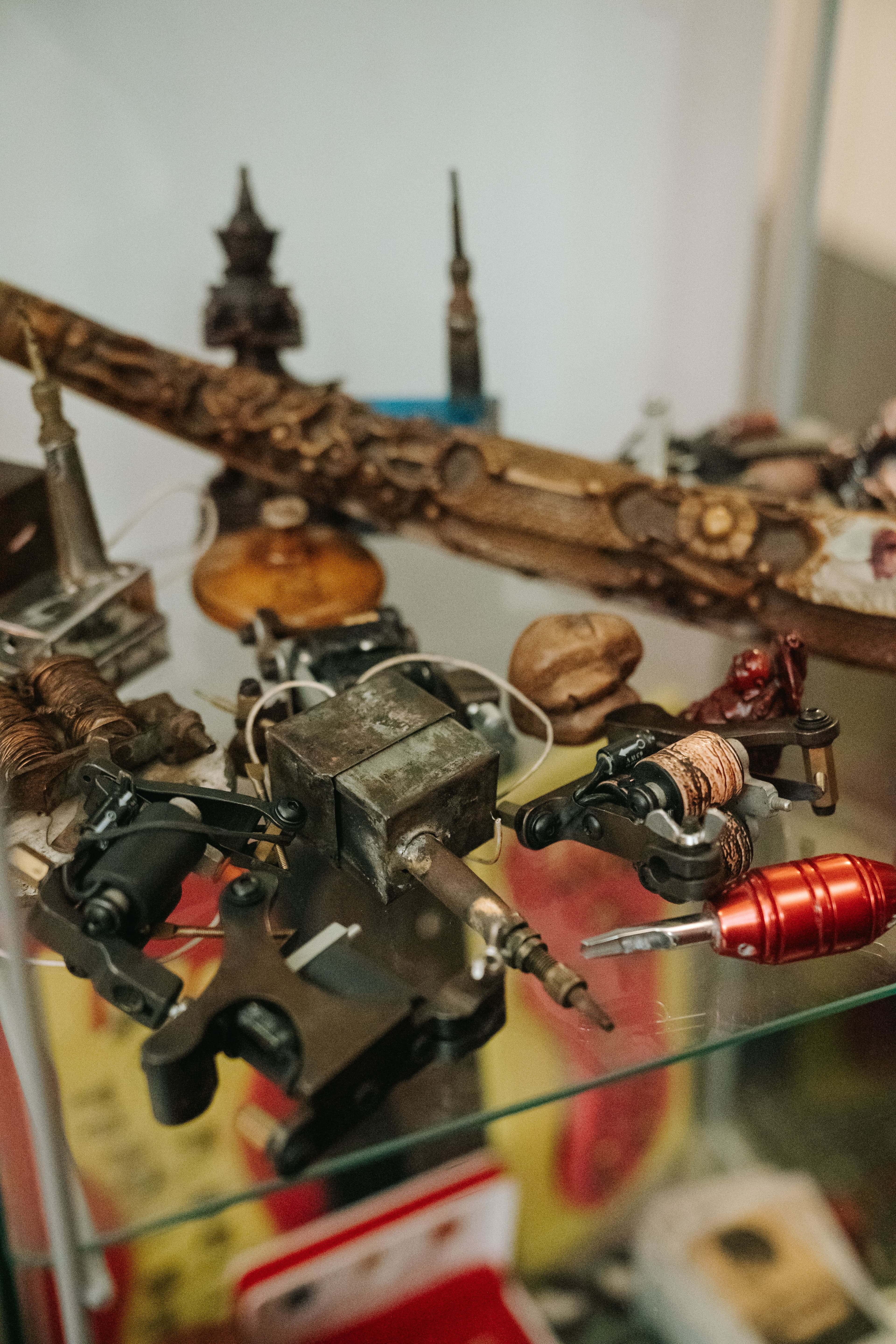
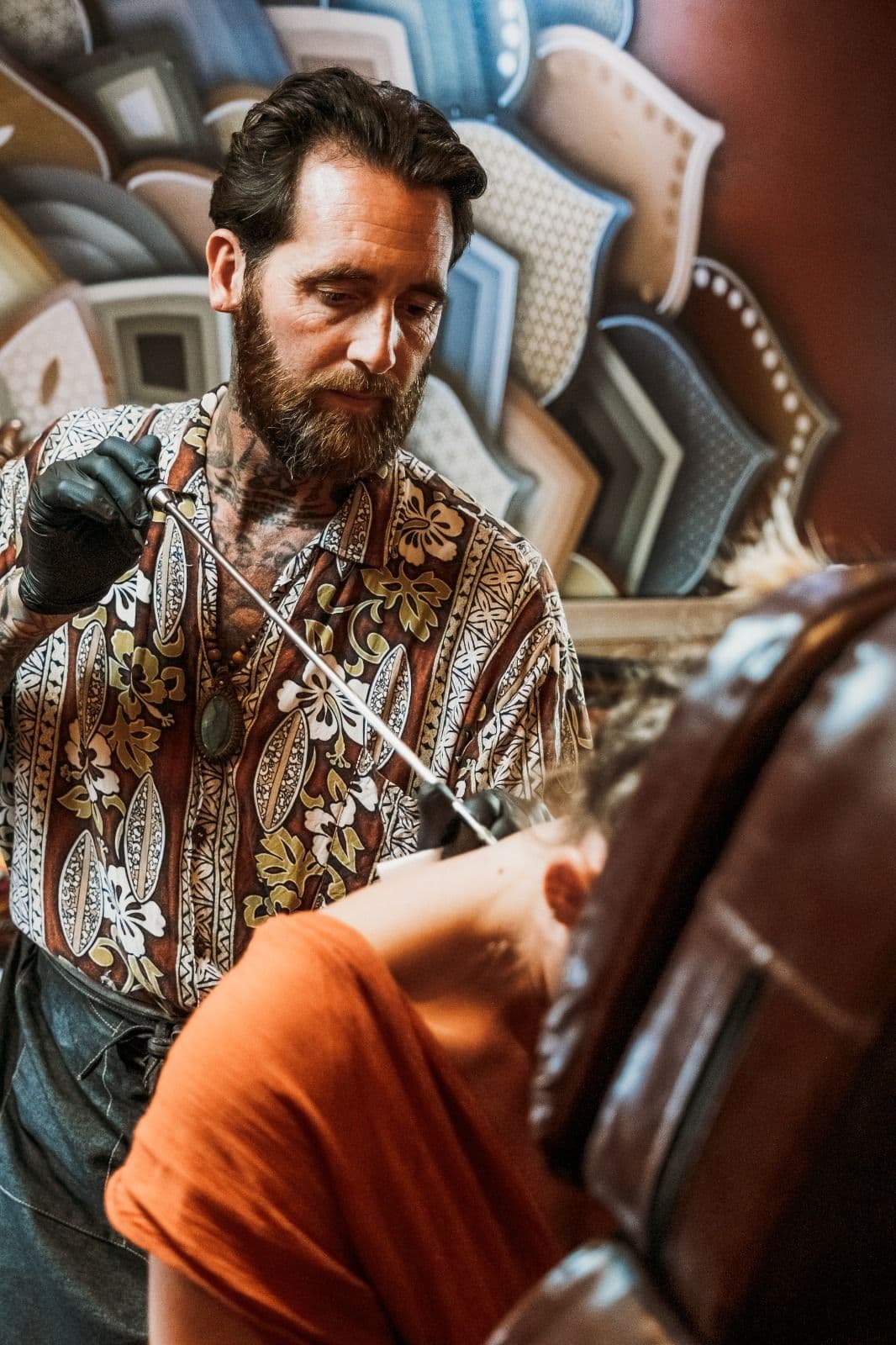
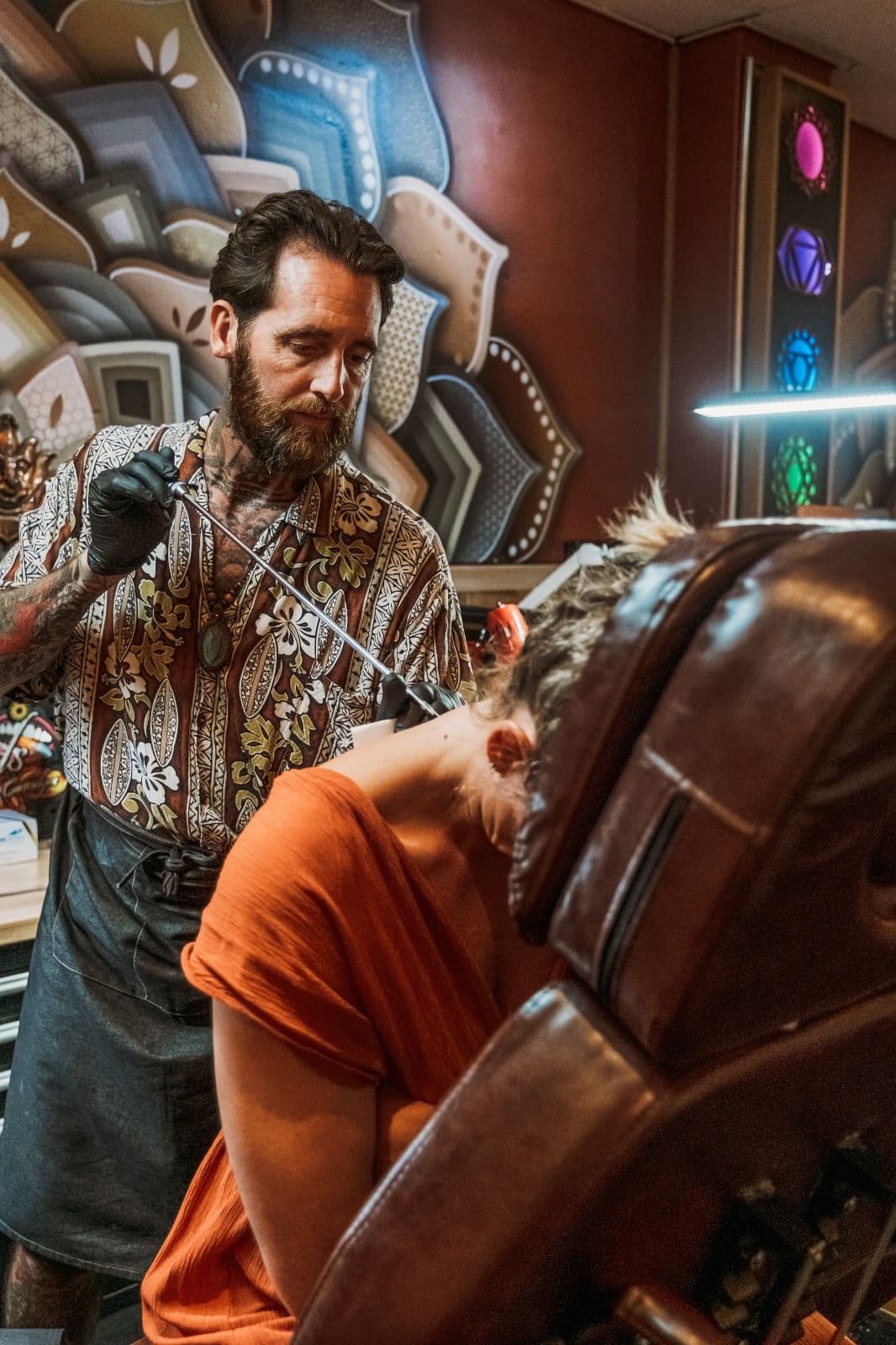
A regular tattoo is applied with an electric machine that pierces the skin thousands of times per minute. A Sak Yant is applied with a traditional bamboo stick (Mai Sak) or a long metal needle (Khem Sak). The master moves the needle by hand, creating a completely different rhythm and sensation.
The spiritual dimension
The biggest difference lies in the intention. A machine tattoo is decorative. A Sak Yant is a spiritual ritual. The master recites prayers and mantras during the process, "charging" the tattoo with protective energy.
The ceremony
A Sak Yant session begins with a conversation about your intention. The master determines the design based on your energy and life situation. After the tattoo, a blessing follows. The entire process is a meditative experience.
Curious about what Sak Yant is? View our designs and learn how to prepare for a session. Ready? Book an appointment.
The spiritual dimension: prayer and mantra
The biggest difference between a Sak Yant and a machine tattoo is not visible to the naked eye - it lies in the intention and the ceremony. A machine tattoo is ink placed into your skin. That is it. A Sak Yant is a ritual in which the master recites mantras, speaks prayers and transfers his spiritual knowledge into the symbol being placed in your skin.
This is why two people with the same Hah Taew tattoo can have completely different experiences: the power of the tattoo depends not only on the symbol, but on the intention of the master and the openness of the recipient. Without that layering, it is simply a beautiful drawing.
Practical differences
Technique and feel
A machine tattoo uses an electric needle that moves rapidly back and forth, driving pigment into the skin. A Sak Yant is traditionally applied with a bamboo stick (Mai Sak) or a metal rod (Khem Sak). The movement is rhythmic and manual - a meditative tapping that feels like a specific kind of touch. Many people describe it as less painful but more intense as an experience.
Healing and aftercare
A bamboo tattoo generally heals faster than a machine tattoo because the technique is less traumatic for the skin. The ink deposit is slightly different, which can mean a Sak Yant becomes softer in line over time. This is also culturally accepted - it marks the impermanence of life, a core principle in Buddhism.
Who is what for?
A machine tattoo is the right choice if you want a precise, detailed or colourful design that stays sharp for years. A Sak Yant is the right choice if you are looking for a spiritual connection, protection or strength that goes beyond the aesthetic. The two are not mutually exclusive - many people have both Sak Yant and machine tattoos.
Learn more about Sak Yant? Read what Sak Yant is, browse the available designs or book an appointment.
→ Also read: everything about Sak Yant tattoo aftercare - including a day-by-day timeline.
Now that you know the difference with a machine tattoo: also read what a hand-poked Sak Yant costs and what sets the price.
The difference is not only in the technique but also in the person: read why a real master makes the difference.
Frequently asked questions: bamboo versus machine
Is bamboo tattooing more painful than a machine?
Most people find bamboo less painful but more intense as an experience. The rhythmic tapping feels different from the constant vibration of a machine. Pain perception is personal, but fear of the bamboo method is rarely justified.
Does a Sak Yant fade faster than a machine tattoo?
The line of a bamboo tattoo can soften over time, which is culturally valued as a sign of impermanence. With good aftercare and sun protection, the tattoo remains clearly visible for many years.
Can I get a Sak Yant touched up?
Yes, touch-ups are possible. Many bearers visit their master after a few years for a touch-up and a renewed ceremony - which is also spiritually valuable.
Recent blogs
Dive deeper into Sak Yant, traditions and tattoo care.
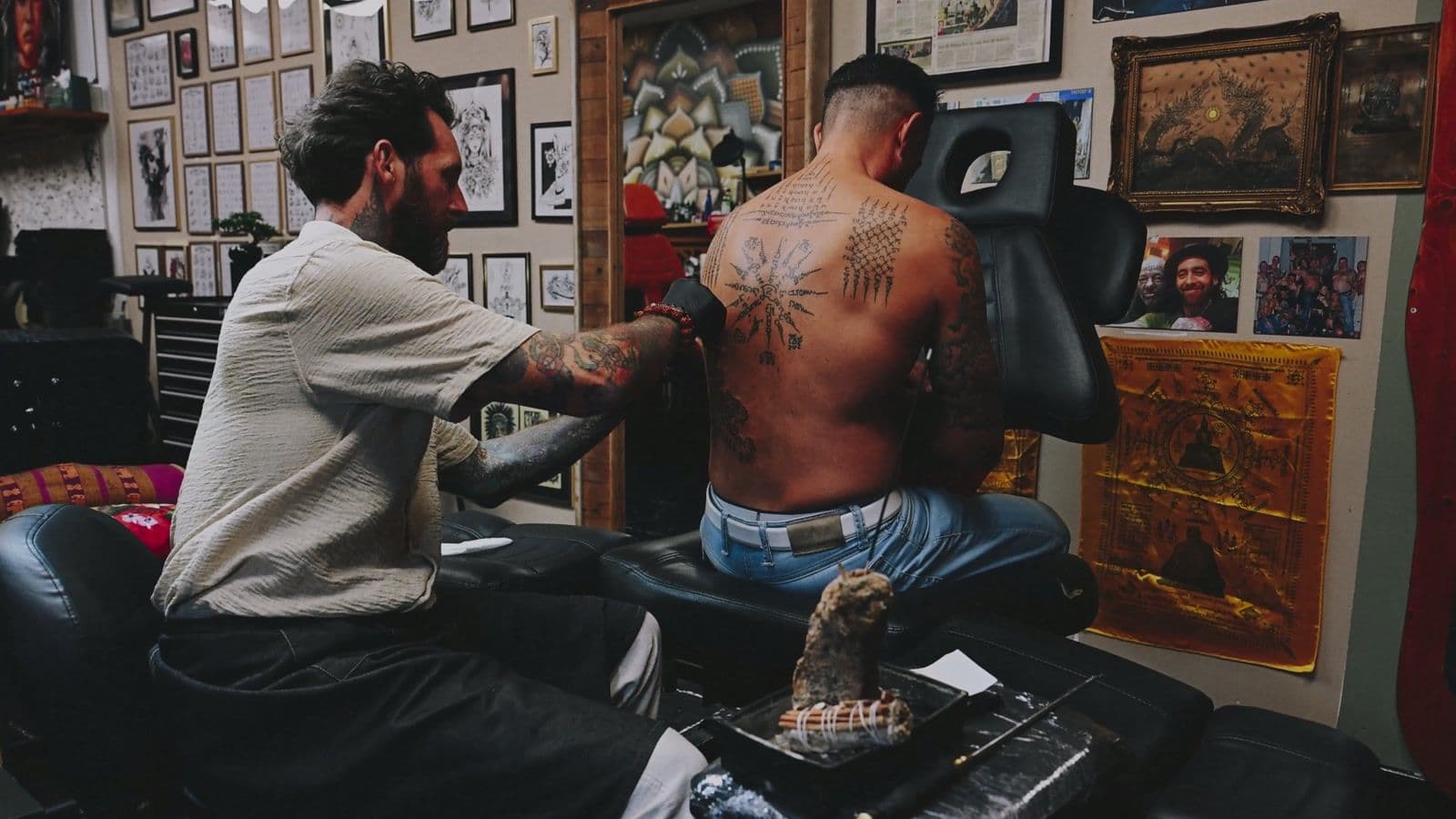
Sak Yant video: how a Sak Yant is tattooed in the Netherlands
A Sak Yant from start to finish, filmed at the studio. Watch the video and read what you see: the design, the rod, the calm in the studio and the closing moment.
4 min read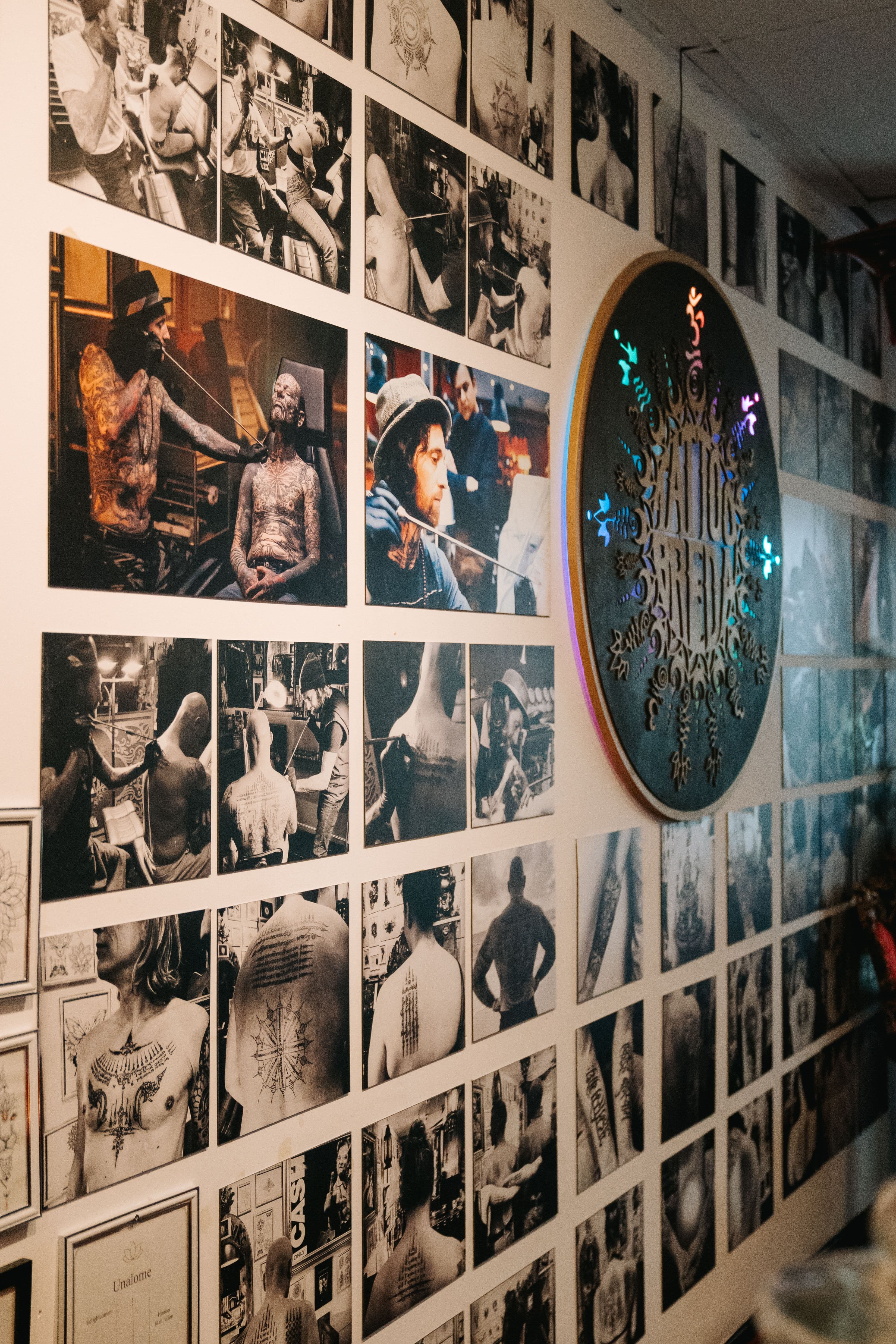
The 10 most popular Sak Yant designs and what they mean
From the Hah Taew to Ganesha: the ten Sak Yant designs chosen most often, with their meaning and where they work best on the body.
6 min read
Getting a Sak Yant from Amsterdam, Rotterdam, Utrecht or Eindhoven
You will not find an authentic Sak Yant in every city. How long it takes to reach the studio in Breda from Amsterdam, Rotterdam, The Hague, Utrecht and Eindhoven, and what to look for.
5 min read