
Getting a tattoo in winter: why autumn and winter are a good season for your Sak Yant
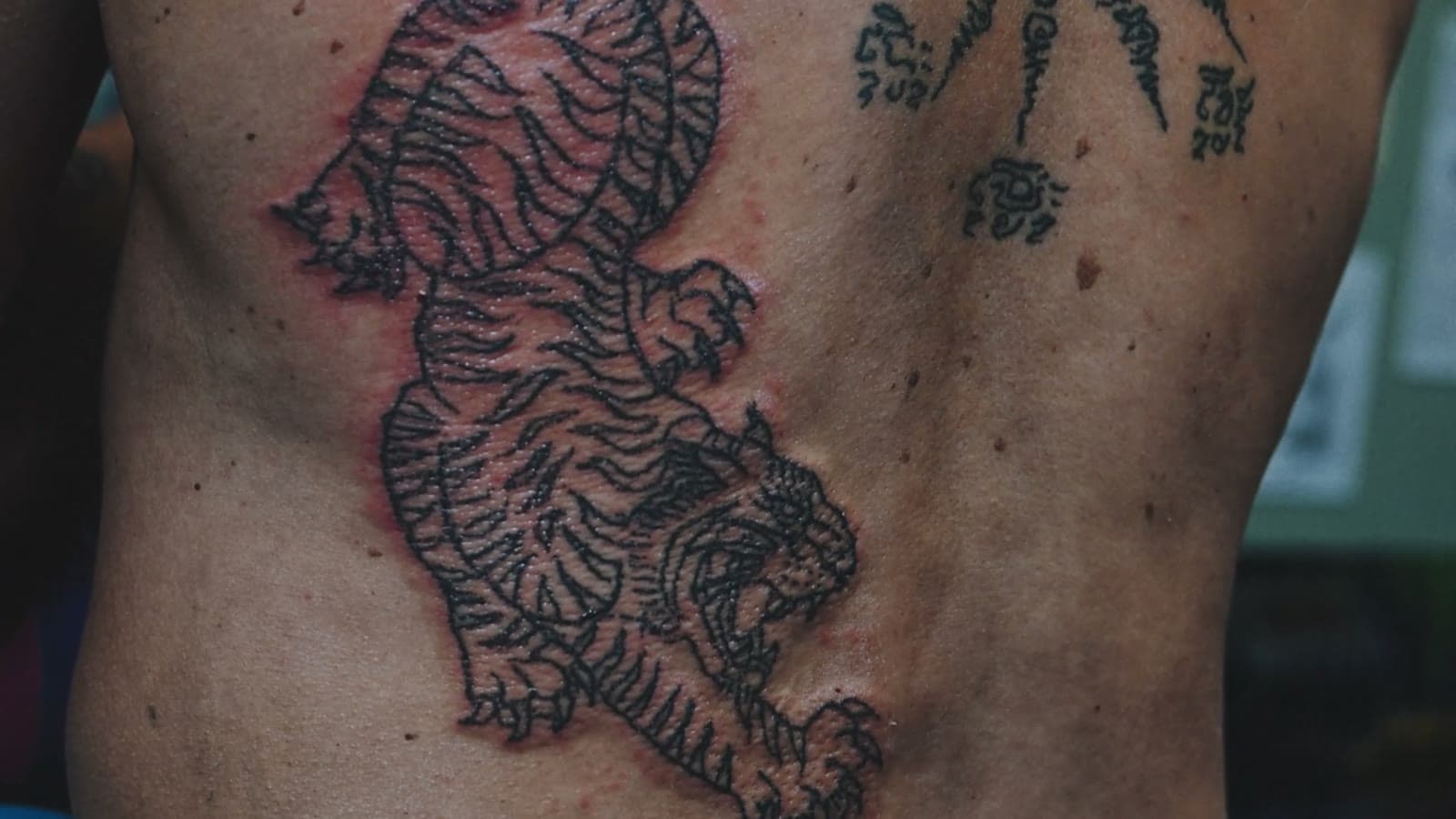
Getting a tattoo in winter has real advantages: less sun and no swimming season, so your skin heals calmly. Here is what to watch out for, from rubbing clothes to your ski trip.
Getting a tattoo in winter is a good choice, especially for a Sak Yant. In autumn and winter there is less sun and no swimming season, so your skin can heal calmly during the 2 to 4 weeks of aftercare. You do need to watch out for a few other things: clothing that rubs, dry skin from the central heating, and a ski trip or sunny holiday that may already be in your diary.
Why autumn and winter are a good season
The biggest advantage of the colder months is simple: your skin has less to deal with. For the first weeks a fresh tattoo is a wound that still has to close. Sun, salt water and chlorine are the main troublemakers then. UV light can make fresh ink fade, and swimming water dries out the skin and brings bacteria to a spot that is still open.
In summer you have to plan around all of that. In autumn and winter it almost happens by itself. You wear long sleeves, the sun is low and a swim in the sea is not on most people's agenda. Our blog on Sak Yant in summer shows how much extra attention the warm season asks for.
Sak Yant in winter or summer: what is the difference?
The healing itself is the same in every season, only the circumstances change. In winter it also usually takes 2 to 4 weeks for your skin to heal. The basics of aftercare stay the same: keep it clean, don't scratch, apply a thin layer of care and be patient.
What does change are the risks. In summer they are sun, sweat and water. In winter they are friction from clothing, dry indoor air and the temptation of a hot bath or a sauna. All three are easy to avoid once you know they are coming.
Clothing that rubs: how to prevent friction
In winter you wear more layers, and every layer can rub over your fresh tattoo. A wool jumper, tight jeans, the collar of your coat, a scarf or the strap of your backpack: small things, but they rub over the same spot all day. That can cause irritation and disturb the healing.
A few simple habits already help a lot:
- Wear a soft, clean cotton layer directly on your skin.
- Choose loose clothing over the tattoo, especially in the first week.
- Watch out for belts, straps and bags that run right across your yant.
Where your yant goes makes a difference here. A Sak Yant on the back or shoulder has to deal with coats and backpacks, a design on the neck with collars and scarves. In our blog on Sak Yant placement you can read which spots traditionally belong to which yant.
Dry skin from central heating
Indoor air in winter is often dry because of the heating, and healing skin notices it. The area can feel tight, itch more and flake sooner. Part of that is simply healing, but dry air can make it worse.
So keep using the aftercare product you are given, in a thin layer. Applying too much does not help, the skin also needs to breathe. Take short, lukewarm showers instead of long hot ones, and don't let the tattoo soak in the bath. Save the sauna or the hot tub for later, when the skin has fully closed.
A ski trip or a sunny holiday? Plan 3 to 4 weeks
If you are going skiing this winter or heading somewhere sunny, get your Sak Yant 3 to 4 weeks before you leave.
A ski trip may seem safe, but for a fresh tattoo it is not. In the snow and at altitude the sun is strong. Add thick ski clothing that rubs, sweating under all those layers and often a sauna or spa at the end of the day. A sunny winter holiday brings exactly the same risks as summer: sun, sea and pool.
So count back from your departure date. Once your skin has healed, protect your yant with a high factor sunscreen whenever you go into the sun. That keeps the lines and the sacred script sharp in the long run.
Why handpoked work feels different
A Sak Yant is handpoked, and you notice that both during the session and afterwards. There is no motor setting the pace. The needle, a long metal rod or a bamboo stick in the case of a bamboo tattoo, places the ink point by point in a steady rhythm.
Many people experience that as calmer and more regular than the buzz of a machine. How much you feel depends mostly on the spot: over bone is more sensitive than on a fleshy area. Because handpoked work often damages the skin less than a fast machine needle, a handpoked tattoo often heals fairly smoothly. The aftercare rules are still exactly the same. You can read more about the technique in Handpoke and bamboo tattoo: technique, pain and healing, and we explain the difference with a machine in Sak Yant vs. machine tattoo.
Taking your time for the session
The darker months suit a tattoo that is more than decoration. A Sak Yant is a traditional, sacred tattoo with a meaning and a promise. At the end of the session there is a blessing, and a Sak Yant comes with life rules that you carry into your daily life.
So take your time. How long a session takes depends on the design, the size and the placement, and it can take longer than you expect. Plan plenty of time. Beforehand you get an estimate and a clear price indication. You can read how such a day goes in What to expect from a Sak Yant session. Still looking for a design? Take a calm look through the Sak Yant designs.
Frequently asked questions about getting a tattoo in winter (FAQ)
Is winter a good time to get a tattoo?
Yes, for many people it is even an ideal season. There is less sun, you swim less and your skin is covered most of the time. Do watch out for clothing that rubs and dry indoor air.
How long does it take for a Sak Yant to heal?
Usually 2 to 4 weeks, in winter just as in summer. Avoid sun, swimming, baths and saunas during that period. Follow the aftercare advice you receive after your session.
How much time should there be between my session and a ski trip or holiday?
Allow 3 to 4 weeks between your session and your departure. Then your skin has healed before strong sun, snow, ski clothing or swimming water come into play.
Can I use a sauna or take a hot bath with a fresh tattoo?
No, wait until the skin has fully healed. Heat and water soften the area and then dry it out. A short, lukewarm shower is fine.
What can I do about a dry, itchy tattoo in winter?
Apply a thin layer of the recommended aftercare and don't shower too hot. Don't scratch or pick at flakes, even if it itches. If the area stays red or painful, get in touch with the studio or a doctor.
Would you like to get your Sak Yant this autumn or winter? The studio in Breda works by appointment, with no deposit. Book an appointment and we will gladly think along with you about the design, the placement and the best moment.
Recent blogs
Dive deeper into Sak Yant, traditions and tattoo care.
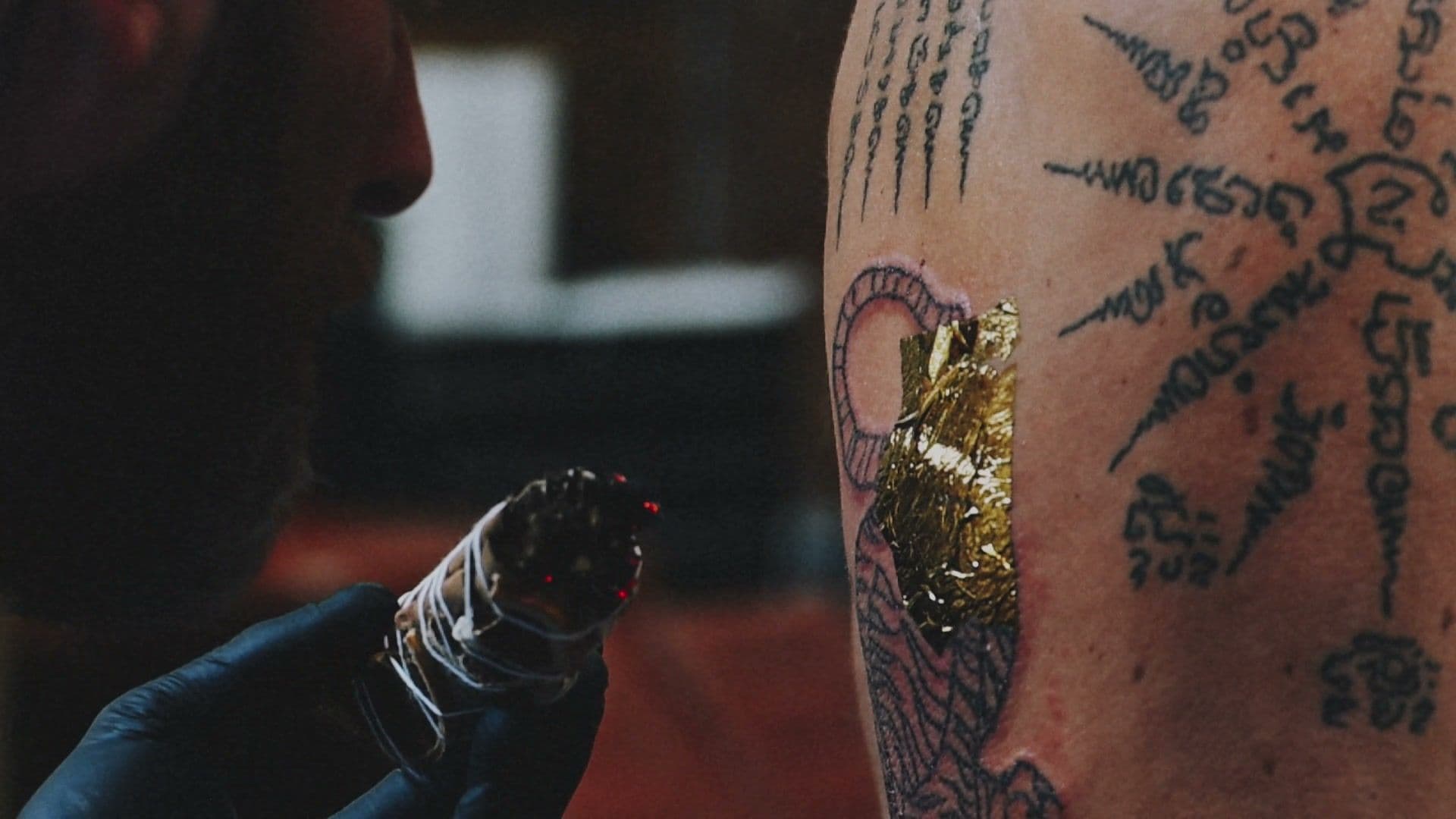
Sak Yant in summer: how to protect your fresh sacred tattoo from sun, sea and sweat
June starts this week, and with it the summer season. Many people get a Sak Yant right now, with a holiday in sight. But sun, chlorine and salt water are the biggest enemies of a fresh tattoo. Here is how to protect your sacred design and keep it sharp for years.
7 min read
Sak Yant aftercare: how to heal quickly and properly
Proper aftercare is essential for beautiful healing of your Sak Yant tattoo. Follow these practical tips for the first weeks after your session.
4 min read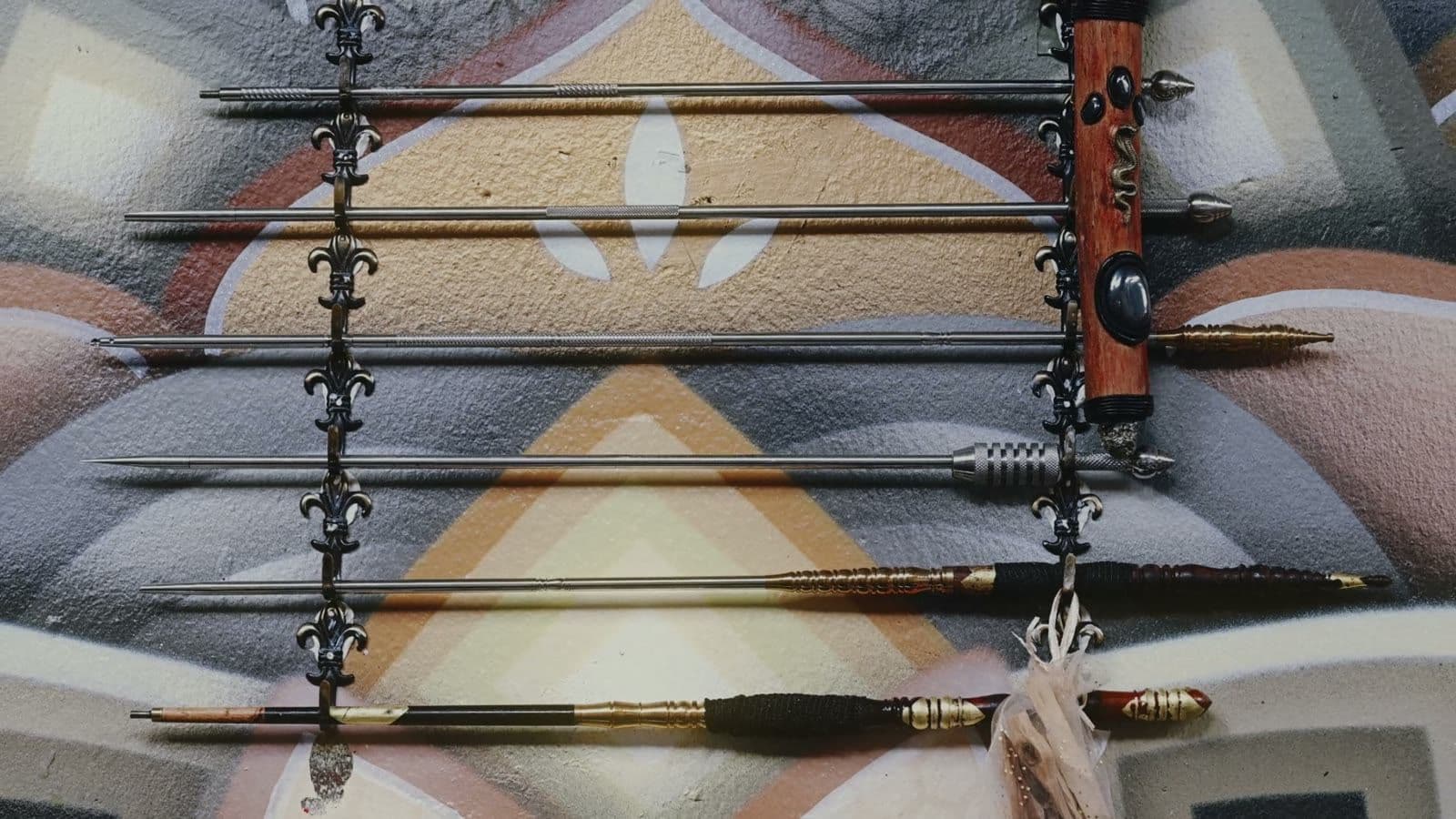
Traditional tattoo meaning: what makes a tattoo truly traditional?
The traditional tattoo meaning covers two very different things: a Western style or a cultural tradition with its own method and meaning. We explain the difference, and why Sak Yant is a living tradition.
6 min read