
Kroh Petch meaning: the diamond armour among Sak Yant designs
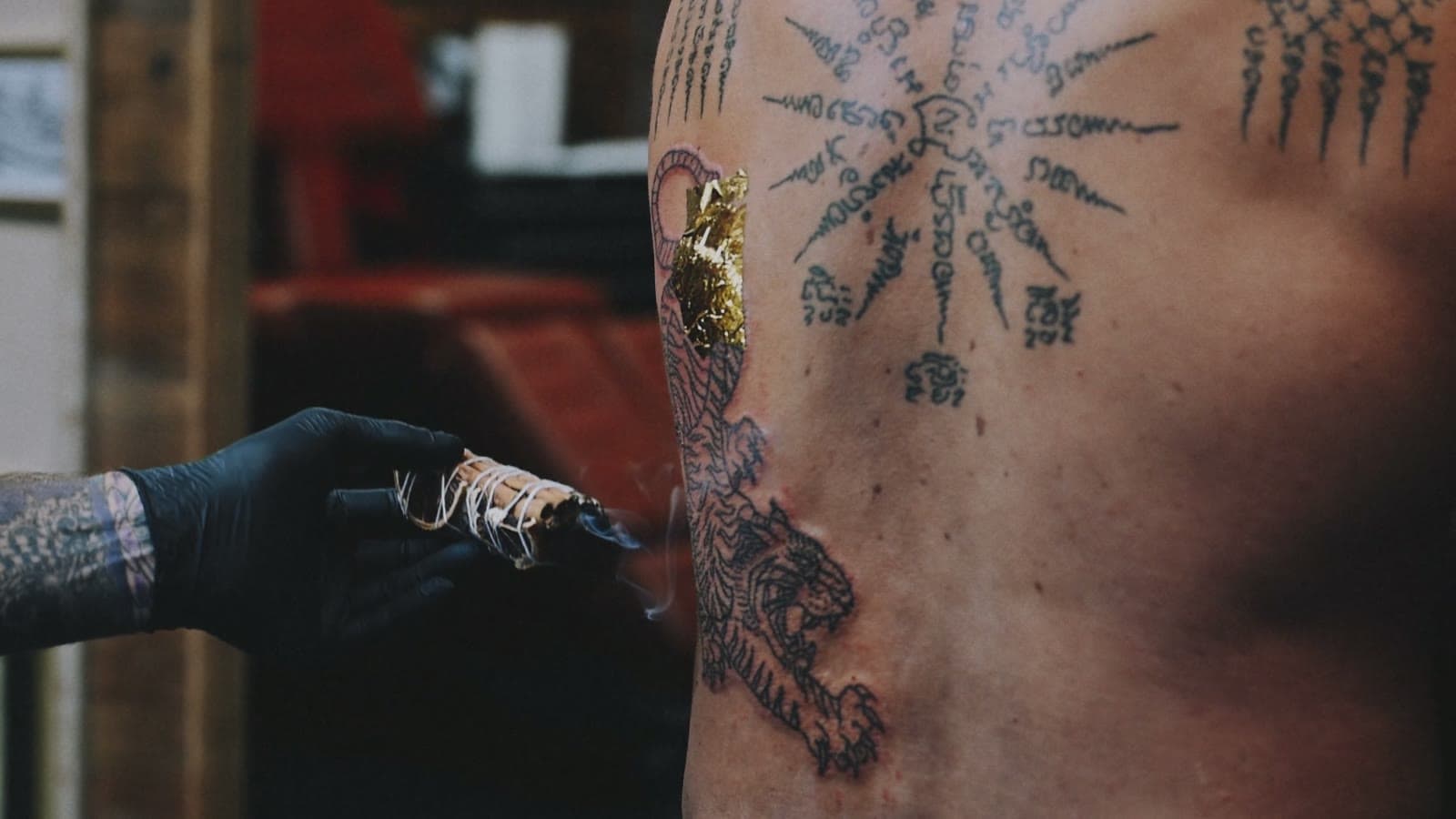
Kroh Petch is the diamond armour among Sak Yants: a spiritual shield for steadfastness and resilience. Its meaning, placement and how it combines with Gao Yord, Hah Taew and Paed Tidt.
The Kroh Petch meaning comes down to one word: protection. This Sak Yant is known as the diamond armour, and in the tradition it stands for a spiritual shield that helps you stay steadfast in challenging situations and keeps negative influences at a distance. Where many yants are about luck, charisma or authority, the Kroh Petch is about one thing: resilience.
In this article you will read what the name means, who the design is for, where to place it on your body and how it works together with other protective yants such as the Gao Yord, the Hah Taew and the Paed Tidt.
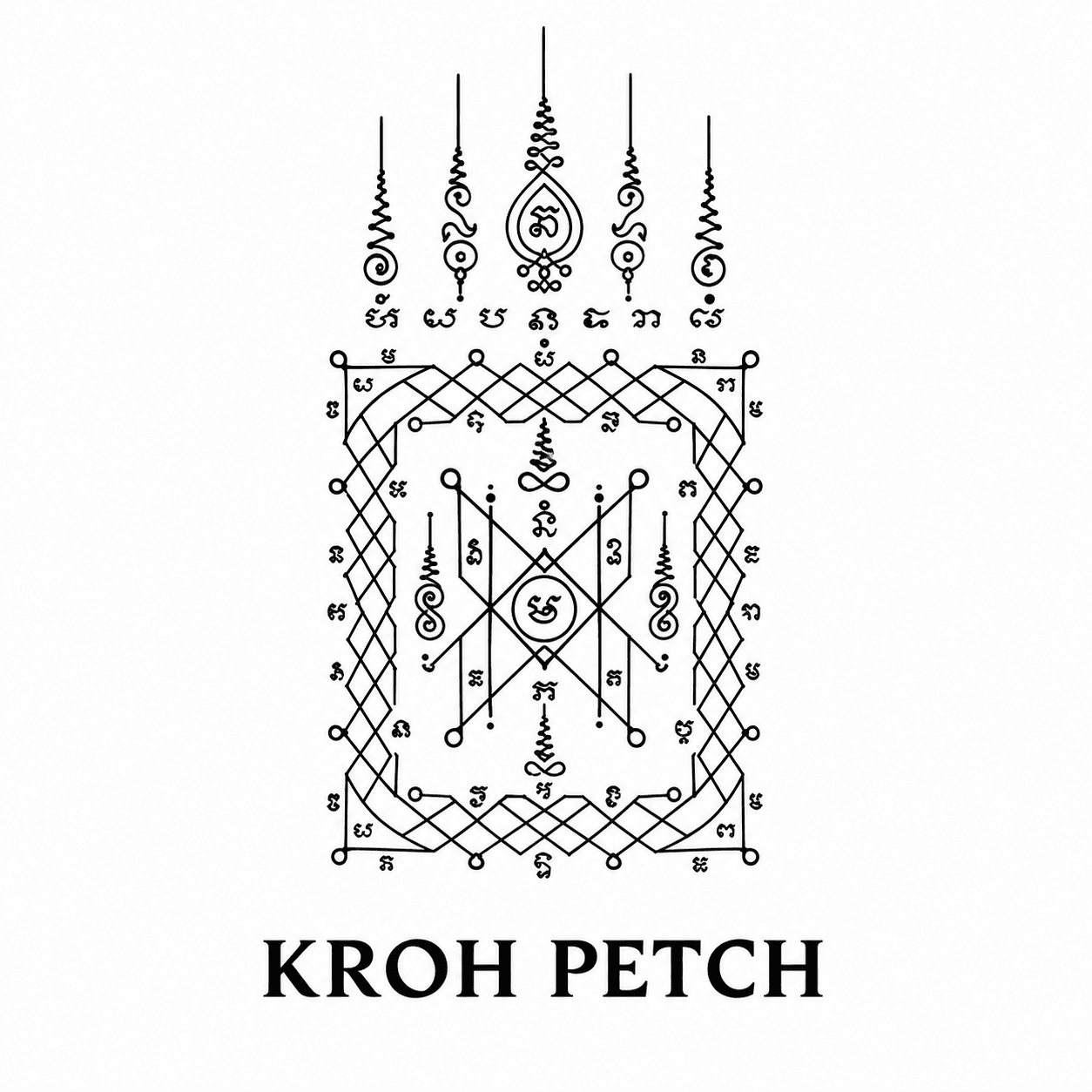
What does Kroh Petch mean?
The name Kroh Petch tells almost the whole story. In Thai, kroh means armour or shield, and petch means diamond. Together they give the image of armour as hard as a diamond: steadfast, sharp and difficult to break.
That makes the Kroh Petch one of the most clearly protective designs within the traditional Sak Yant lineage. It places the emphasis on mental resilience and energetic shielding. In the tradition it stands for a layer around you that ill intentions and negative energy glance off, so that you can stay calm and clear yourself.
As with every yant, the explanation can differ slightly from master to master. One ajarn stresses protection against danger from outside, another stresses inner strength. That is part of a tradition that has been passed on, largely by word of mouth, for more than 2,000 years.
A shield, not a weapon
The Kroh Petch is about defending, not attacking. That distinction matters if you want to understand the design.
A tiger or a dragon projects strength and authority into the world. The diamond armour works the other way around: it keeps something out. It is a symbol of boundaries. Of the ability to say no, to not be pulled into other people's unrest or negativity, and to stay upright under pressure.
That also makes it a quiet design. If you wear a Kroh Petch, you have nothing to prove. The yant is a reminder of the core you want to protect, and of the calm you need to keep that core intact. A spiritual symbol is not a guarantee: it is a support and a reminder, not armour in the literal sense.
Who is the Kroh Petch for?
The Kroh Petch is often chosen by people who work in demanding or high-pressure environments. Think of work where you give a lot of yourself, where you make decisions under pressure or where you deal with tension and conflict every day.
The design also suits anyone who wants to consciously strengthen their boundaries. Some people choose it at a time when they notice they carry too much for others. Others choose it precisely because they feel grounded and want to mark that.
Are you torn between the Kroh Petch and another protective design? It helps to see the different symbols side by side first. The most powerful Sak Yant symbols and their meaning gives you an overview, and the page for the Kroh Petch design shows the drawing itself.
Where should you place a Kroh Petch?
The best places for a Kroh Petch are the upper back, the shoulder blade and the upper arm. These spots fit a protective intention and give the design enough room to stay legible.
Within the tradition, higher on the body is considered more sacred, so a yant always belongs above the waist. On the shoulder blade or upper arm you literally wear the armour on the outside, the side that faces the world. On the upper back it sits centrally, like a shield covering your back.
Which spot suits you best also depends on what you already wear or would like to add later. Read more about the meaning of each spot in Sak Yant placement: which spot suits your yant?
Combining Kroh Petch with Gao Yord, Hah Taew and Paed Tidt
The Kroh Petch combines well with other protective yants. Together they form a protection profile: each design adds its own layer.
- The Gao Yord, the nine peaks, is seen as the master yant. Traditionally it goes in the highest place, on the neck or at the top of the back, and nothing may be placed above it. In the tradition it seals and strengthens the other yants on the body. Read more in the meaning of the Gao Yord.
- The Hah Taew, the five sacred lines, carries its own incantation in each line, from protection against misfortune to luck and charisma. That makes it broader than the Kroh Petch, which focuses purely on shielding.
- The Paed Tidt, the eight directions, works like a shield around the body, with protection from every direction. Together with the Kroh Petch it creates a strong image: armour and a circle of protection.
Because the Gao Yord always sits at the top, the order helps decide where the Kroh Petch goes. If you want both, the shoulder blade or upper arm is often chosen for the Kroh Petch. So discuss a combination in advance, to make sure the layout across your back makes sense and there is room for what you may want later.
Handpoked, blessed and with life rules
A Kroh Petch is traditionally handpoked, as a bamboo tattoo, with sacred script as part of the design. How that technique works and what it feels like is explained in handpoke and bamboo tattoo: technique, pain and healing.
At the end of the session there is a blessing. A Sak Yant also comes with life rules: in the tradition, the power of a yant is connected to how you live. Read more in the 5 life rules of Sak Yant. After the session, avoid sun and swimming until the skin has healed, usually 2 to 4 weeks.
Frequently asked questions about Kroh Petch (FAQ)
What does Kroh Petch mean literally?
Kroh means armour or shield and petch means diamond, so Kroh Petch is the diamond armour. The name refers to protection that is steadfast, sharp and hard to break.
Does a Kroh Petch really protect you?
In the tradition, the Kroh Petch stands for a spiritual shield against negative influences and for mental strength. It is not a guarantee and no replacement for common sense. Many wearers mainly experience the yant as a daily reminder to stay true to themselves.
Can a Kroh Petch be my first Sak Yant?
Yes, it can. Traditionally the Gao Yord is often the first and highest yant, so if you might want one later, it is wise to plan for it now. Choose the shoulder blade or upper arm for the Kroh Petch, for example, so the space at the top of the back stays free.
How long does it take to get a Kroh Petch?
That depends on the design, the size and the placement, and it can take longer than you expect. You will get an estimate beforehand. So plan plenty of time and come well rested.
How much does a Kroh Petch cost?
You get a clear price indication in advance, depending on size and placement. There is no deposit and there are no cancellation fees. If you want to know what the price depends on, read what a Sak Yant costs.
Would you like a Kroh Petch, or would you first like to talk through which protective design suits you? The studio in Breda works by appointment. You can book an appointment here, and in the conversation beforehand we look together at the meaning, the placement and the combination with other yants.
Recent blogs
Dive deeper into Sak Yant, traditions and tattoo care.
Traditional tattoo meaning: what makes a tattoo truly traditional?
The traditional tattoo meaning covers two very different things: a Western style or a cultural tradition with its own method and meaning. We explain the difference, and why Sak Yant is a living tradition.
6 min read
Sak Yant video: how a Sak Yant is tattooed in the Netherlands
A Sak Yant from start to finish, filmed at the studio. Watch the video and read what you see: the design, the rod, the calm in the studio and the closing moment.
4 min read
The 10 most popular Sak Yant designs and what they mean
From the Hah Taew to Ganesha: the ten Sak Yant designs chosen most often, with their meaning and where they work best on the body.
6 min read