
Wai Khru Sak Yant ceremony: how bearers honour their teacher
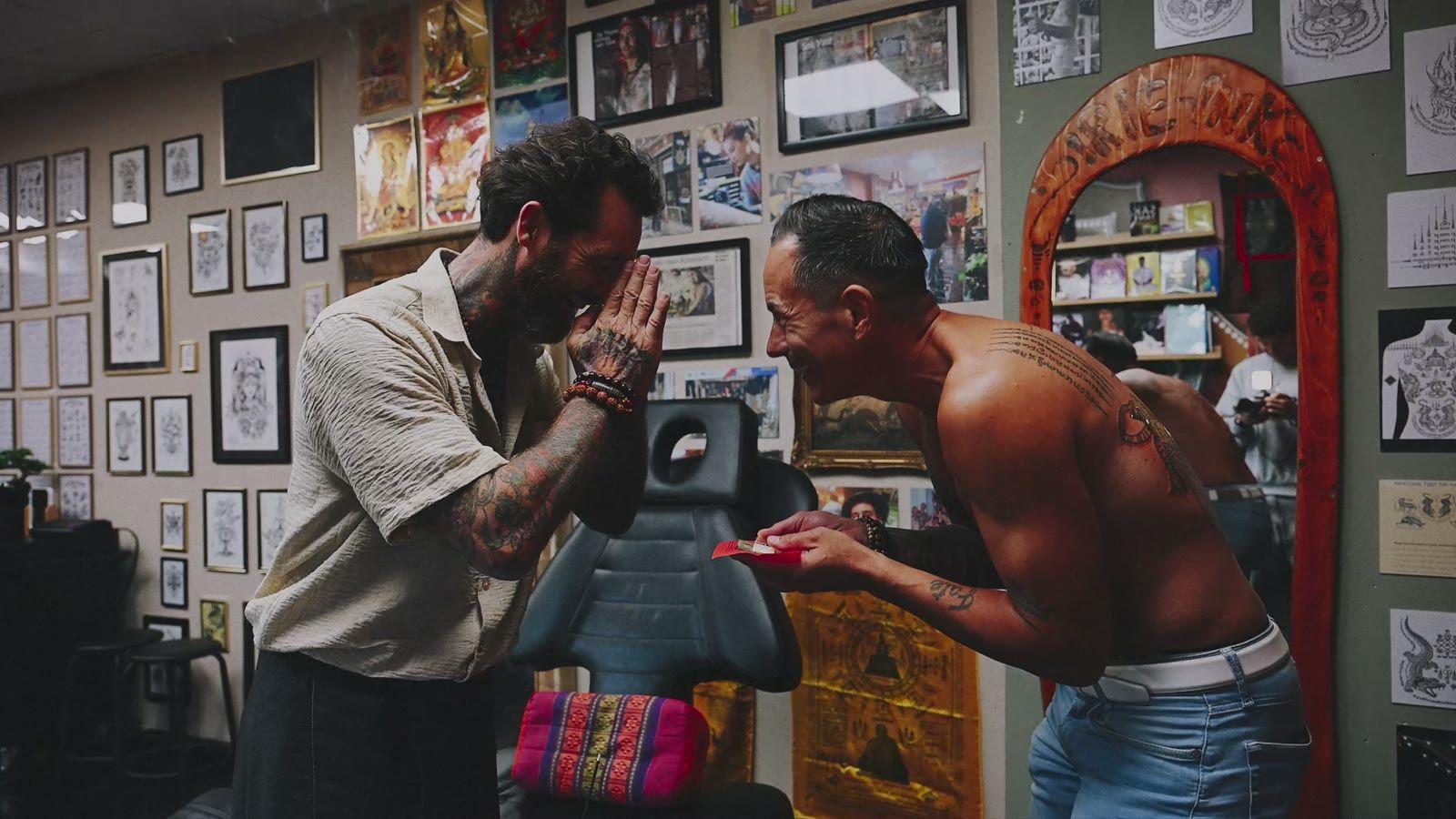
Wai khru means paying respect to the teacher. Discover the ceremony, from Thai schools and muay thai to the festival at Wat Bang Phra, and what it means for your Sak Yant.
The wai khru Sak Yant festival is the yearly ceremony in which bearers of a sacred tattoo honour their teacher, and wai khru itself simply means "paying respect to the teacher". It is one of the most important ceremonies in Thai culture. For Sak Yant bearers it is also the moment when, in the tradition, the power of the yant is renewed. The best known wai khru takes place at Wat Bang Phra, usually in March.
What does wai khru mean?
Wai khru is made of two words that together describe an attitude: respect for the person who taught you something. The wai is the familiar Thai gesture of pressing your palms together and bowing slightly. Khru means teacher and is related to the Sanskrit word guru.
In Thailand, whoever teaches you creates a bond for life. With the wai khru you acknowledge that bond: you thank your teacher, you ask for their blessing and you promise to carry what you learned with care.
With Sak Yant the bond reaches beyond one person. The master who tattoos your yant learned it from a teacher, who in turn learned it from an earlier teacher. The chain runs back through a tradition that is more than 2,000 years old. Many lineages also honour the ruesi, the hermit sages seen as the first teachers of this knowledge. A wai khru honours the whole chain.
Wai khru at school and in muay thai
Wai khru does not only exist in temples, and that is exactly why it carries so much weight in Sak Yant.
At Thai schools, pupils hold a wai khru ceremony at the start of the school year, often on a Thursday. They offer their teachers trays of flowers and plants that each carry a meaning. Grass that grows quickly stands for knowledge that spreads. The dok khem, a flower whose name refers to a needle, stands for a sharp mind. Then they kneel and make the wai.
In muay thai you see it before every fight. The fighter kneels, bows and performs the wai khru ram muay: a slow, rhythmic dance that honours his teacher, his camp and the tradition. He often wears the mongkhon, a headband blessed by his teacher. Only then does the fight begin.
In classical Thai dance and music, wai khru is a yearly tradition as well. Everywhere the idea is the same: you do not start something valuable without first acknowledging who gave it to you.
The yearly festival at Wat Bang Phra
The best known wai khru for Sak Yant bearers is held at Wat Bang Phra, the temple west of Bangkok. It usually takes place in March. The exact date follows the temple calendar and changes from year to year, so always check when it falls if you want to go.
On that day thousands of bearers gather. Many arrive early and sit in long rows in front of the stage where the monks and masters are seated. They bring offerings such as flowers, incense and candles. Then come shared prayers and mantras, and the monks bless the crowd.
It is the hot season in Thailand and the grounds are packed. To outsiders it can look like a spectacle, but for the bearers it is a solemn day of gratitude.
Khong khuen: the trance
The moment the festival is famous for is called khong khuen. Literally it means something like "it rises up": the power of the yant rises in the bearer.
During the prayers some bearers go into trance. In the tradition they take on the spirit of the animal or figure in their yant. Someone with a tiger roars and charges forward, someone with Hanuman moves like a monkey. Helpers catch them before they reach the stage, and a monk or helper calms them again, often by rubbing their ears.
Not everyone goes into trance, and that says nothing about the value of your yant. Within the tradition it is seen as a sign that the power is alive, not as a measure.
Renewing the power of the yant
In the tradition a Sak Yant is not a finished product. The blessing at the end of the session gives the yant its power, and the life rules keep that power intact.
During the wai khru festival the monks bless those present again, with mantras and holy water. For the bearers this stands for recharging their yant. At the same time they renew their own promise: they thank their teachers and resolve once more to live by the rules.
That second part matters just as much. In the tradition the power of a yant weakens if you break the rules. So wai khru is also a moment to look back on how you lived over the past year.
What wai khru means if you get a Sak Yant in Europe
The heart of wai khru, respect for the teacher and for what you receive from them, is something you can live anywhere.
That starts with your choice. You get a Sak Yant from someone who learned the tradition from a teacher, not from someone who imitates the style. So read why it matters to get your Sak Yant from a real master. Silas van Gemert has more than 25 years of experience and from 2010 spent years learning from monks in Thailand. Read more about Silas van Gemert.
Respect also shows in how you approach the session. You choose a yant by intention, you listen to the explanation and you take the life rules seriously. The yant is handpoked in the traditional way, and the session ends with a blessing. That moment is really a small wai khru: you receive something from the tradition and you promise to treat it with care.
At home you can give the idea of wai khru a place too, with a fixed moment each year when you pause to reflect on your yant and the rules. It is about the attitude, not the place. If you want to wear the gesture itself on your skin, have a look at the design with the kneeling warrior in wai. And if you wonder as a Westerner whether a Sak Yant is right for you, read our piece on respect and appropriation.
Frequently asked questions about wai khru (FAQ)
What exactly does wai khru mean?
Wai khru means paying respect to the teacher. The wai is the Thai gesture with palms pressed together, and khru means teacher. In Sak Yant it honours your master and the line of teachers behind your yant.
When is the wai khru festival at Wat Bang Phra?
Usually in March. The exact date follows the temple calendar and changes each year. If you want to go, check well in advance when it falls that year.
Does everyone go into trance during wai khru?
No. Khong khuen happens to some bearers, while most sit through the ceremony quietly. In the tradition a trance says nothing about the value or power of your yant.
Do I need to go to Thailand to renew the power of my yant?
No. The festival is a special occasion for many bearers, but it is not an obligation. In the tradition you mainly keep the power of your yant intact by living by the life rules.
Would you like a Sak Yant with the care and respect that belong to the tradition? You are welcome at the studio in Breda, next to the Grote Kerk. The studio works by appointment and asks for no deposit. Book your appointment here.
Recent blogs
Dive deeper into Sak Yant, traditions and tattoo care.

Wat Bang Phra: the most famous Sak Yant temple in Thailand
Wat Bang Phra is the best known Sak Yant temple in the world, home to monks and masters and to the annual Wai Khru festival where thousands have their sacred tattoos re-blessed. Learn what the temple stands for, how a temple tattoo works, and how to experience that same authentic tradition closer to home.
10 min read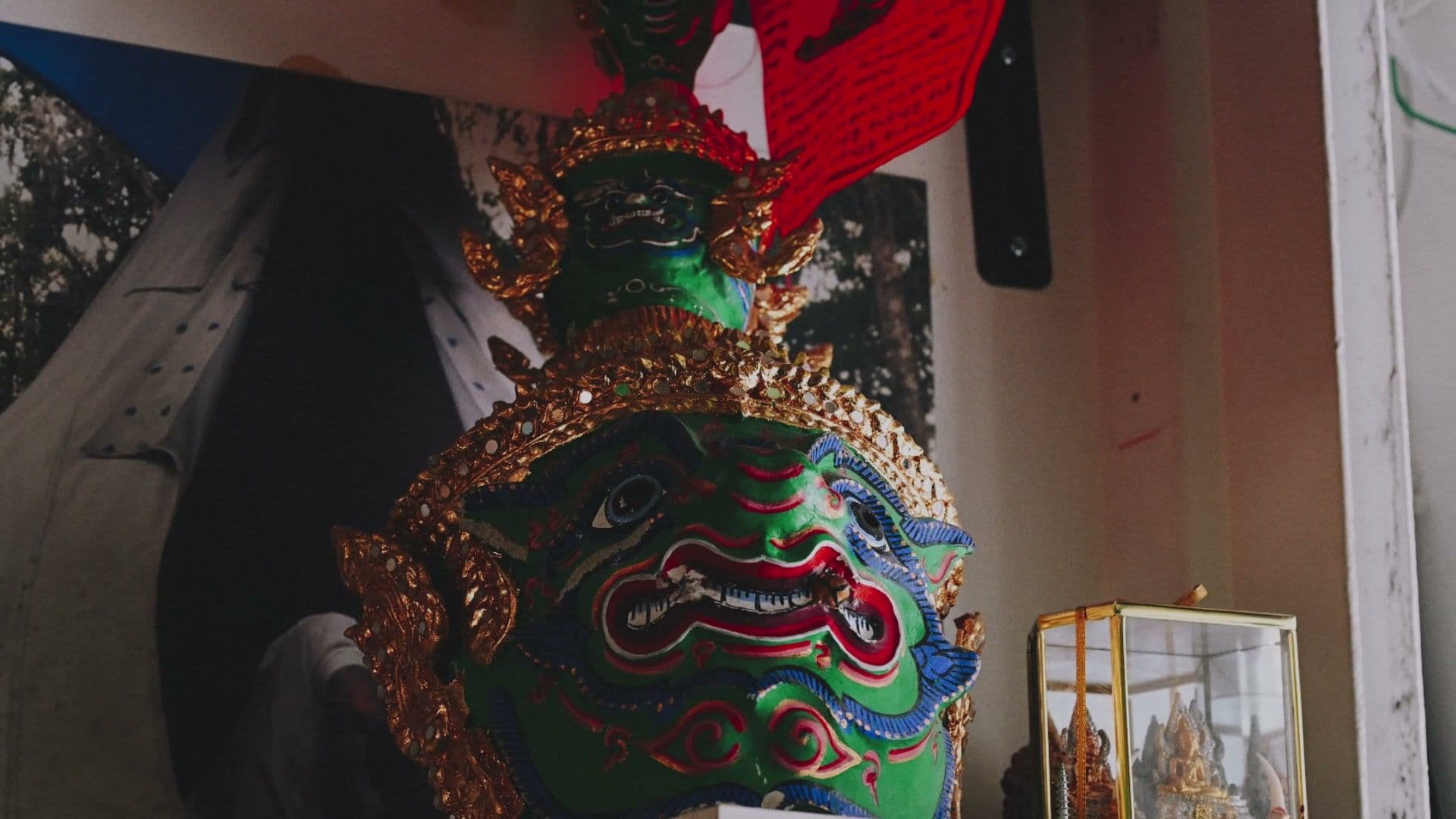
Sak Yant Thailand: the origin of the sacred Thai tattoo
Discover the 2,000-year-old origin of Sak Yant in Thailand. Learn about Buddhist monks, Ajarns, Yantra symbols and the spiritual power behind the sacred Thai tattoo.
7 min read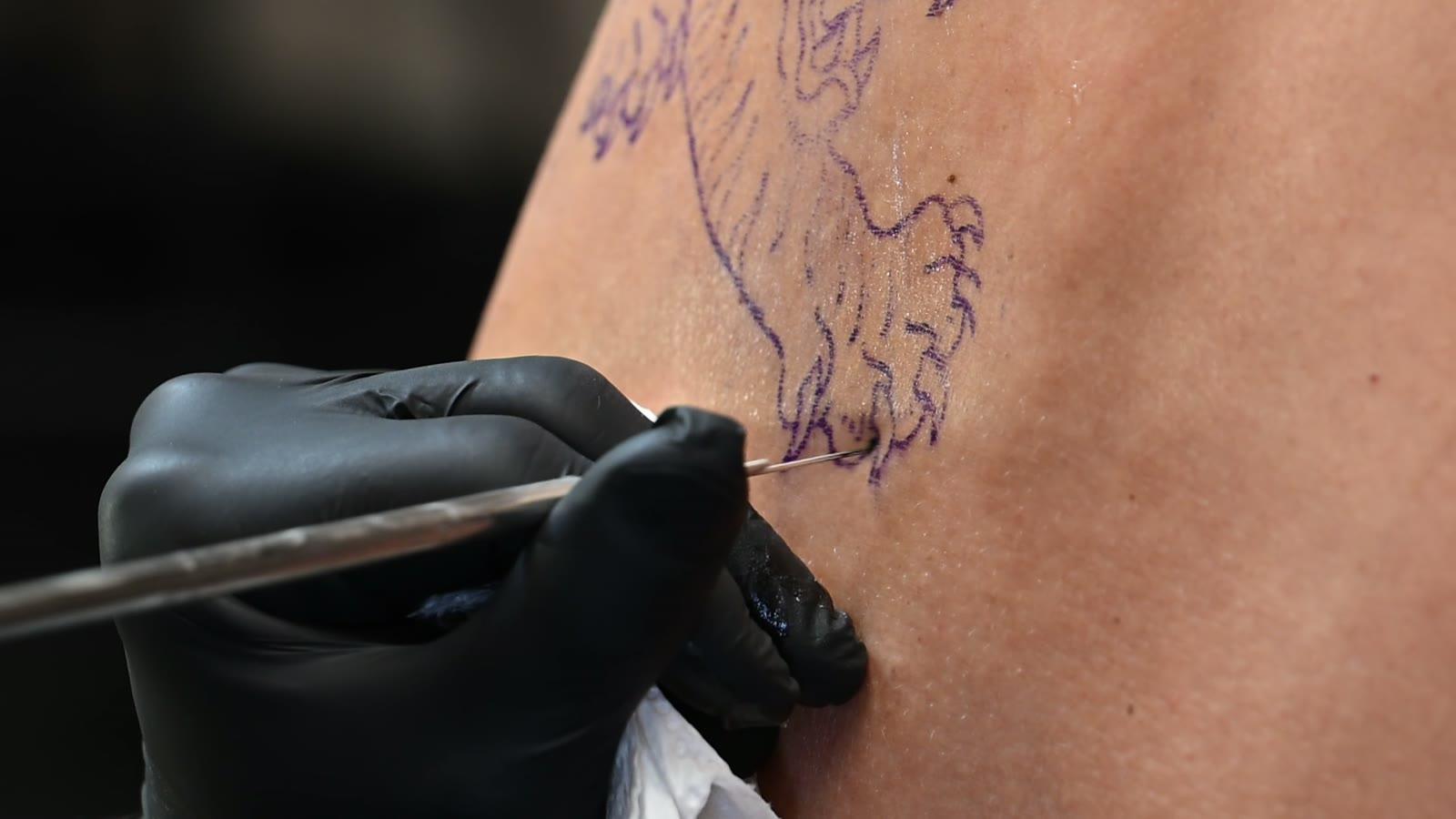
Crocodile tattoo meaning: the Jorakhe Sak Yant explained
What does a crocodile tattoo mean? In the Sak Yant tradition it is called Jorakhe and stands for primal strength, patience and endurance. On the Jorakhe Bak, the twin crocodile and placement.
6 min read