
Holistic tattoo: a tattoo as a ritual, not a product
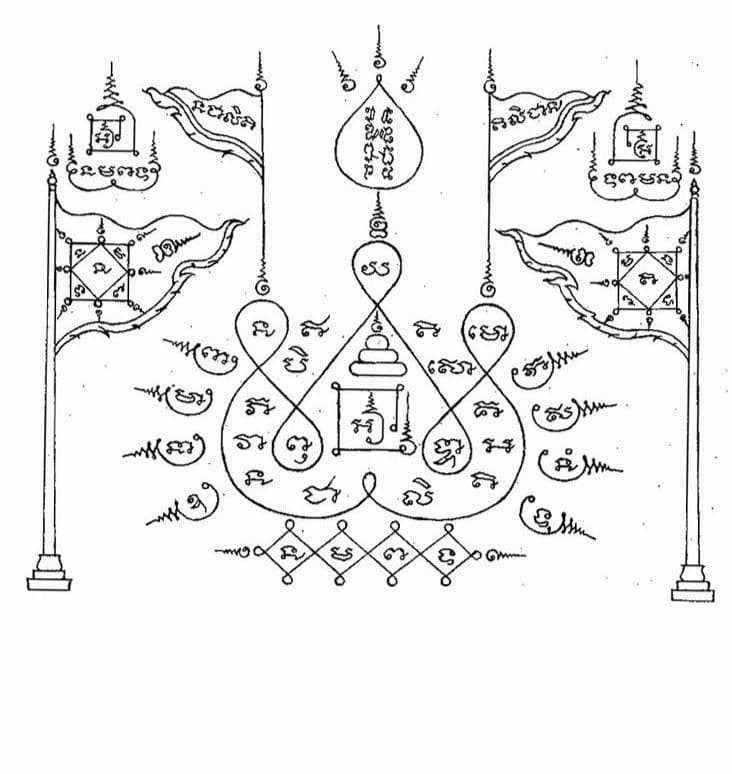
Holistic tattooing means the reason, the conversation, the ritual and the aftercare weigh as much as the design. The four phases, what really differs, and what merely sounds good.
Holistic literally means looking at the whole. Applied to tattooing, it comes down to this: not only the end result counts, but also the reason behind it, the conversation beforehand, the moment it is applied and what you do with it afterwards. The image is then the evidence of a process rather than the product itself.
The word has also become a sales term, so it helps to know what actually differs in practice and what merely sounds good. This article covers both: the four phases of a holistic session, what happens while you are being tattooed, where the line runs between ritual and nonsense, and how to recognise a studio that takes it seriously.
Where the idea comes from
The notion that a tattoo is an event rather than a purchase is neither new nor vague. It has been the norm in practically every culture that tattooed. In Polynesia, among the Ainu in Japan, in North Africa and across Southeast Asia, work on the skin marked a transition: coming of age, marriage, taking a role within the group. It was done by hand, it took a long time, and words went with it.
The tattoo shop as we know it, with a flash book on the wall and a one hour appointment, is historically the exception. That is not an argument against the modern tattoo shop, which delivers excellent craft. It just puts the word holistic in perspective: it is a return rather than a new trend.
Within Sak Yant that older form never went away. The technique, the text and the blessing belong together there and are not sold separately.
What differs from an ordinary appointment
The intake conversation is not about the image but about the reason. Why now, what happened, what do you want to hold on to. The design follows from that conversation instead of the other way round. Which also means you sometimes walk out with a different symbol than the one you walked in with.
The pace is slower. Nobody pushes through to the finish because the calendar says so. Breaks are part of it, and so is silence during the work. Most people find that awkward for the first fifteen minutes and comfortable after that.
The technique is often handpoke or bamboo rather than a machine. That is slower, has a different rhythm, and makes the session audibly calmer. How handpoke actually works.
Aftercare is treated as part of the whole, not as a leaflet you get handed. The first two weeks decide how the lines look in ten years. Full aftercare instructions.
The four phases
1. Intake
A conversation of thirty to sixty minutes, usually separate from the session itself. You get asked about the reason, not about your Pinterest board. What comes out of it is a direction: protection, calm, strength, connection, or marking a transition. Only after that do designs come onto the table.
2. Design
The symbol is chosen and drawn to fit your body rather than traced flat. With traditional yants the structure is fixed: the text, the order and the proportions are not open to invention. What does vary is size, placement and how the design follows the shape of your body.
3. The session
The day itself. Time is set aside, with no appointment queued behind it. During a Sak Yant a mantra is recited while the work is applied, and the piece is blessed at the end. Even without that ritual element the principle is the same: the moment gets the attention it deserves.
4. Integration
The part that is skipped most often. For the first few days the spot is tender and you are constantly aware of it. That is exactly when the meaning settles. In practice it comes down to taking it easy, following the aftercare, and not telling the whole world about it before it is properly yours.
The ritual in a Sak Yant
In a Sak Yant the ritual part is not atmosphere, it is the core. The work is done by hand, a mantra is recited while it is applied, and the design is blessed afterwards. Applying and blessing belong together: a yant that has only been traced is, within that tradition, not a yant but a picture of one.
An agreement comes with it. Anyone wearing a Sak Yant is expected to keep to a set of life rules. Not a heavy vow for life, but a direction. The five life rules explained.
You do not have to believe in the effect to take it seriously. What the ritual does in any case is force attention. You sit still for an hour or more with exactly one subject. That alone makes it something other than an afternoon flicking through a flash book.
What happens while you are being tattooed
Most people describe the first ten minutes as the hardest. Your body startles at the needle, your heart rate goes up, your muscles tense. After that it usually settles and people start breathing differently. That is not mysticism: you adapt to a predictable stimulus and your nervous system calms down.
The slow rhythm of handpoke helps with that. There is no constant noise, the work has a steady cadence, and a kind of focus builds by itself. Some people get sleepy, others get unusually clear headed. Both are normal.
Also normal: hitting a point halfway through where it becomes too much. Then pause, drink, eat something. Gritting your teeth because you think suffering is part of the experience is a bad idea. Tension in your body makes the work harder for both sides and does not produce better lines.
What a holistic tattoo is not
It is not therapy and not a medical treatment. A tattoo does not cure depression, trauma or a physical complaint. If you are carrying something heavy, professional help is the right place, and a tattoo can at most mark that you took that step.
It is not a guarantee either. Nobody can promise you a symbol will produce luck, money or protection. Anyone who does is selling something other than a tattoo. Inside the tradition itself it is put more carefully: a yant supports the direction you choose yourself.
It does not replace craftsmanship. A good story does not fix bad line work. Always look at healed work rather than photos of fresh work, because fresh, everything looks sharp.
And it is no excuse to be relaxed about hygiene. Fresh needles, sterile equipment, gloves and a clean workspace are not a Western formality but a hard requirement, however traditionally the work is done.
How to recognise a studio that takes this seriously
Five things that separate substance from marketing.
You get asked why you want it before size and price come up. Studios that only have the word holistic on their website skip that step.
The origin of the symbol is explained, and you are told honestly when interpretations differ between traditions. Anyone telling you there is one single correct meaning is simplifying too much.
They say no. To a design too small for the amount of detail in it, to a placement that does not make sense, and to someone clearly acting on an impulse.
No results are promised. No luck, no protection, no healing. Just an explanation of what the symbol means within the tradition.
Hygiene is visibly in order and gets talked about plainly. Working traditionally and working sterile are not in conflict.
How to prepare
Sleep well and eat beforehand. An empty stomach combined with nerves is the most common reason someone goes pale halfway through. No alcohol in the 24 hours before, it thins your blood and makes the work harder.
Write your questions down. In the chair you will forget them. Beyond that, block out plenty of time and make sure you have nothing on afterwards: driving straight on to a birthday party undoes the calm immediately.
Bring clothing that gives easy access to the spot and will not sit tight over fresh work afterwards. For a session on the back or shoulder, a loose button up shirt beats a tight jumper.
And bring something to eat and drink. During a long session, a break with a sandwich is not weakness, it is sense.
Frequently asked questions about holistic tattoos (FAQ)
Is a holistic tattoo different from a spiritual tattoo?
A spiritual tattoo is about the symbol and what it means. Holistic is about the way of working around it: the conversation, the pace, the ritual and the aftercare. They overlap often, but they are not the same. More about spiritual symbols.
How long does a session take?
Longer than a comparable design done with a machine, because handpoke is slower and nothing is rushed. Count on half a day at minimum and do not schedule anything tightly afterwards.
Can I bring my own design?
Bringing one is always fine, copying it literally is not always. With traditional yants the structure and the text are fixed, so a found image gets checked first. Often such an image from the internet turns out to be a garbled version.
Do I have to believe in something?
No. Nobody asks whether you believe, only whether you know where it comes from and why you want it. Respect for the origin weighs more than conviction.
Can I combine it with existing tattoos?
Usually yes, but placement is then decided more carefully. Traditional yants need space and an upright position, so sometimes a different spot on your body is a better proposal than fitting it between existing work.
Is handpoke safer or riskier than a machine?
Neither. Hygiene decides the risk, not the technique. Fresh needles, sterile equipment and a clean workspace are the standard for both. Handpoke does usually damage the skin slightly less, which often means healing goes more smoothly.
Can I bring someone with me?
Usually yes, and for a first tattoo that is often reassuring. Worth knowing though: many people find the session calmer without being talked to the whole time. Agree on that beforehand.
What if I have second thoughts halfway?
That is exactly why there is an intake and why there is time between the conversation and the session. If you are still unsure on the day, say so. Postponing a session is always better than a design that stays while the doubt does too.
If you are considering it
Take the time for the question why, and only then for the design. If you want to work through that question together, it starts with an appointment. First we talk, then we draw, and the needle comes on a different day.
Recent blogs
Dive deeper into Sak Yant, traditions and tattoo care.
Can a Westerner get a Sak Yant? On respect and cultural appropriation
Is a Sak Yant cultural appropriation? How people in Thailand see it, where the line lies between respect and a lack of it, and what you can do in practice.
7 min read
Lotus tattoo meaning: rising out of the mud
The lotus stands for flourishing that comes out of difficult circumstances. Its origins, the meaning of each colour, the petal count, its role within Sak Yant and the mistakes to avoid.
11 min read
Mandala tattoo meaning: and why a yantra is something else
A mandala is an image to rest your attention in, a yantra is a working diagram. The structure, the types, the difference, and where a mandala does and does not work on your body.
11 min read