
Ganesha tattoo meaning: the elephant god who clears obstacles
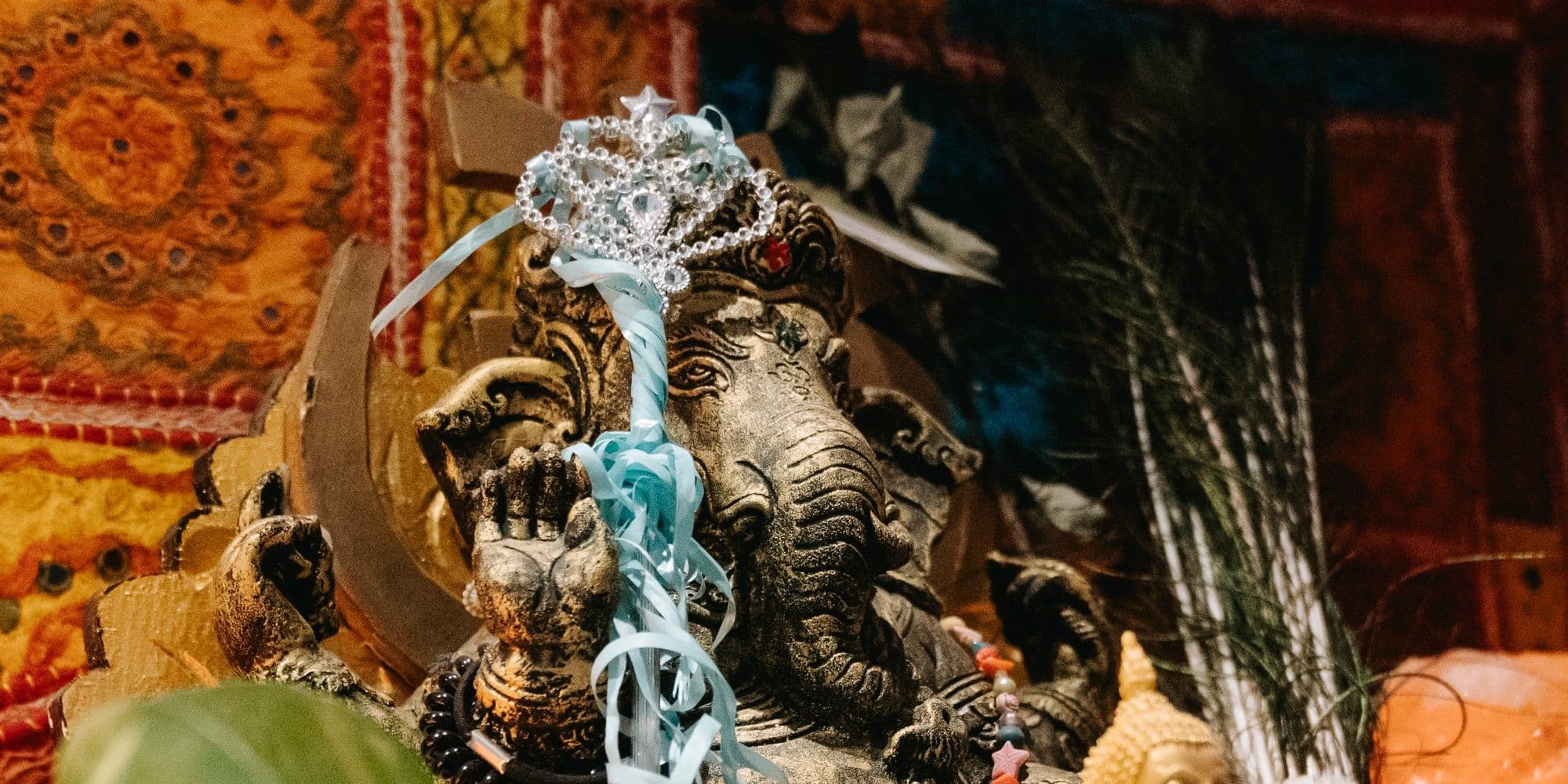
Ganesha, known in Thailand as Phra Pikanet, is the god of new beginnings and the remover of obstacles. Learn what a Ganesha tattoo means, where he comes from and how to wear him with respect.
An elephant's head on a human body, four arms and usually a friendly, almost cheerful presence: Ganesha is one of the most recognisable figures in Asian imagery. He is the god of wisdom, art and new beginnings, and above all: the remover of obstacles.
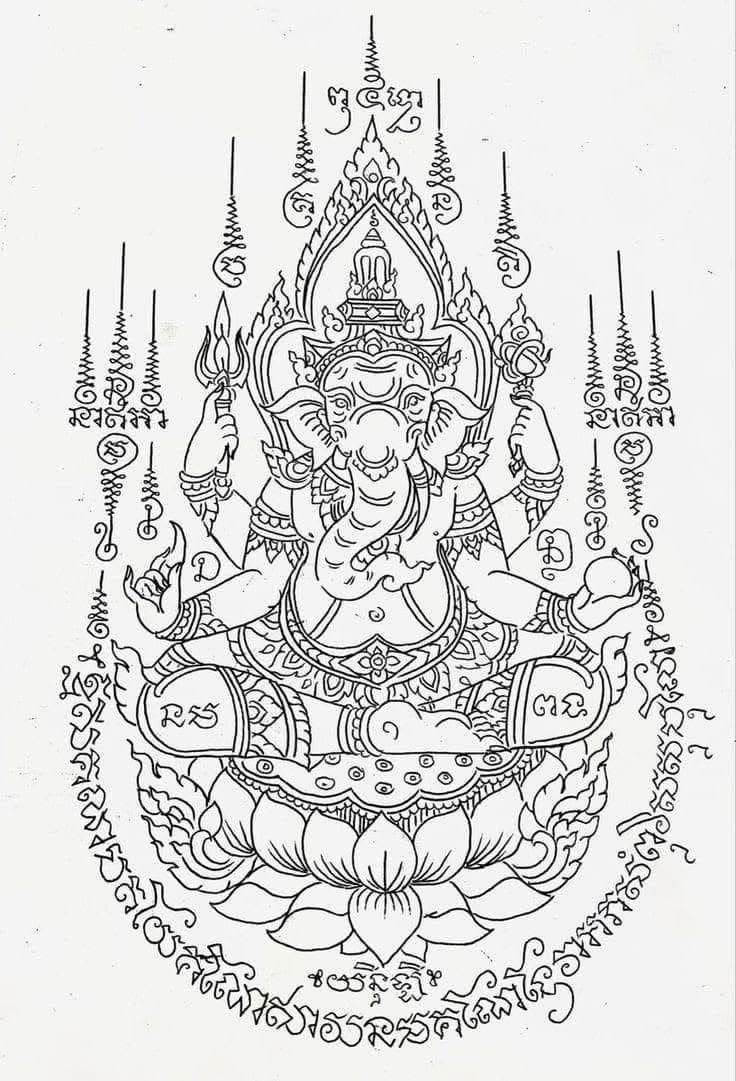
That makes him a beloved tattoo symbol for anyone starting something new or working their way through something hard. But Ganesha is also a god venerated by millions, and that calls for a respectful approach. In this article you will read where Ganesha comes from, what his tattoo means and how he found his place within the Sak Yant tradition.
Who is Ganesha?
Ganesha comes from Hinduism and is the son of Shiva and Parvati. The stories of how he got his elephant head vary, but his role is the same everywhere: he is the god you greet before every new beginning. A journey, a marriage, a new business, an exam; in India and Thailand it starts with a greeting to Ganesha.
His best-known title says it all: the Lord of Obstacles. He clears hurdles for those who begin with good intentions, and places them in the path of those who need a lesson. His broken tusk recalls one of the most beautiful stories about him: when he was writing down the Mahabharata and his pen broke, he snapped off his own tusk without hesitation so he could keep writing. Wisdom, that story says, is being willing to give something up.
In Thailand he is called Phra Pikanet and has been fully absorbed into Buddhist culture. He is the patron of art and craft; artists, musicians and entrepreneurs leave offerings at his shrines, and one of Bangkok's most famous Ganesha shrines stands right in the middle of the city's modern shopping district.
The meaning of a Ganesha tattoo
Within the Sak Yant tradition, Ganesha is placed as a Phra Pikanet yant, surrounded by mantras in the ancient Khom script. The meaning rests on three pillars.
A new beginning
Ganesha is the god of the threshold: the moment you step from the old into the new. His tattoo is often chosen at a move, a career change, the end of a relationship or the start of one's own business. Not as a lucky charm that smooths everything out, but as a reminder that you are the one taking the first step.
Overcoming obstacles
The remover of obstacles does not help by sweeping the road clean, but by reminding you that every hurdle has a shape: you can go over it, around it or through it. For many wearers the Ganesha tattoo is an anchor in times when things go against them.
Wisdom and creativity
With his great head, his love of knowledge and his role as patron of the arts, Ganesha stands for learning, writing, making and creating. It is no coincidence that he is the symbol of the arts in Thailand; those who live off creative work wear him as a quiet ally.
Ganesha does not sweep the road clean. He reminds you that you can step over every threshold.
Getting a Ganesha with respect
Ganesha is a god, not decoration. In Thailand and India it is felt to be disrespectful to wear a deity low on the body, close to the ground and the dust. A Ganesha therefore always belongs above the waist: the upper arm, the shoulder, the chest or the back.
Within the Sak Yant tradition the ritual is added to that: the yant is placed by hand by a blessed master, with the right mantra and an activating blessing. That is precisely what separates a Phra Pikanet yant from a Ganesha picture found online. Why a blessed master makes the difference, you can read here.
What does a Ganesha Sak Yant look like?
The classic Phra Pikanet yant shows Ganesha seated, often within a geometric frame of mantra lines. Have a look at the Ganesha design in our catalogue, or browse all Sak Yant designs for the other figures of the tradition.
A Ganesha calls for detail: the head, the arms and the attributes have to be right. Expect a longer session than for a small geometric yant, and discuss the size with the master beforehand.
Who does Ganesha suit?
Anyone starting something or working through something: founders, makers, people rebuilding after a difficult period. Where the Garuda radiates authority and the tiger fighting spirit, Ganesha is the gentler power: wisdom, patience and the trust that the road opens once you start walking.
Frequently asked questions (FAQ) about the Ganesha tattoo
What does a Ganesha tattoo mean?
Ganesha stands for new beginnings, overcoming obstacles and wisdom. His tattoo is often chosen at a major transition: a new business, a move, or a fresh start after a difficult period.
Is Ganesha Buddhist or Hindu?
Ganesha comes from Hinduism, but in Thailand he is widely venerated as Phra Pikanet within Buddhist culture, where he is the patron of art and craft. In the Sak Yant tradition he is placed and blessed within the Buddhist ritual.
Can you get a Ganesha tattoo if you are not religious?
Yes, as long as it is done with respect. You do not have to be Hindu or Buddhist, but you are wearing a deity on your skin. Choose a respectful spot above the waist and have the yant placed by a master who knows the tradition.
Where should a Ganesha tattoo be placed?
Always above the waist: upper arm, shoulder, chest or back. Wearing a deity low on the body, close to the ground, is felt to be disrespectful in Thailand and India.
What does Ganesha's broken tusk mean?
According to the best-known story, Ganesha snapped off his own tusk to keep writing down the Mahabharata when his pen broke. The tusk thus stands for dedication and the willingness to sacrifice something for what truly matters.
What is the difference with an ordinary elephant tattoo?
An elephant is an animal, Ganesha is a god. A Phra Pikanet yant also carries mantras in Khom script and is placed and blessed by a blessed master. That makes it a sacred tattoo, not an animal portrait.
Ready for your new beginning?
Standing at the start of something new and drawn to Ganesha? Book a free introductory talk and discuss with our Thailand-blessed master whether the Phra Pikanet yant fits your story.
Recent blogs
Dive deeper into Sak Yant, traditions and tattoo care.
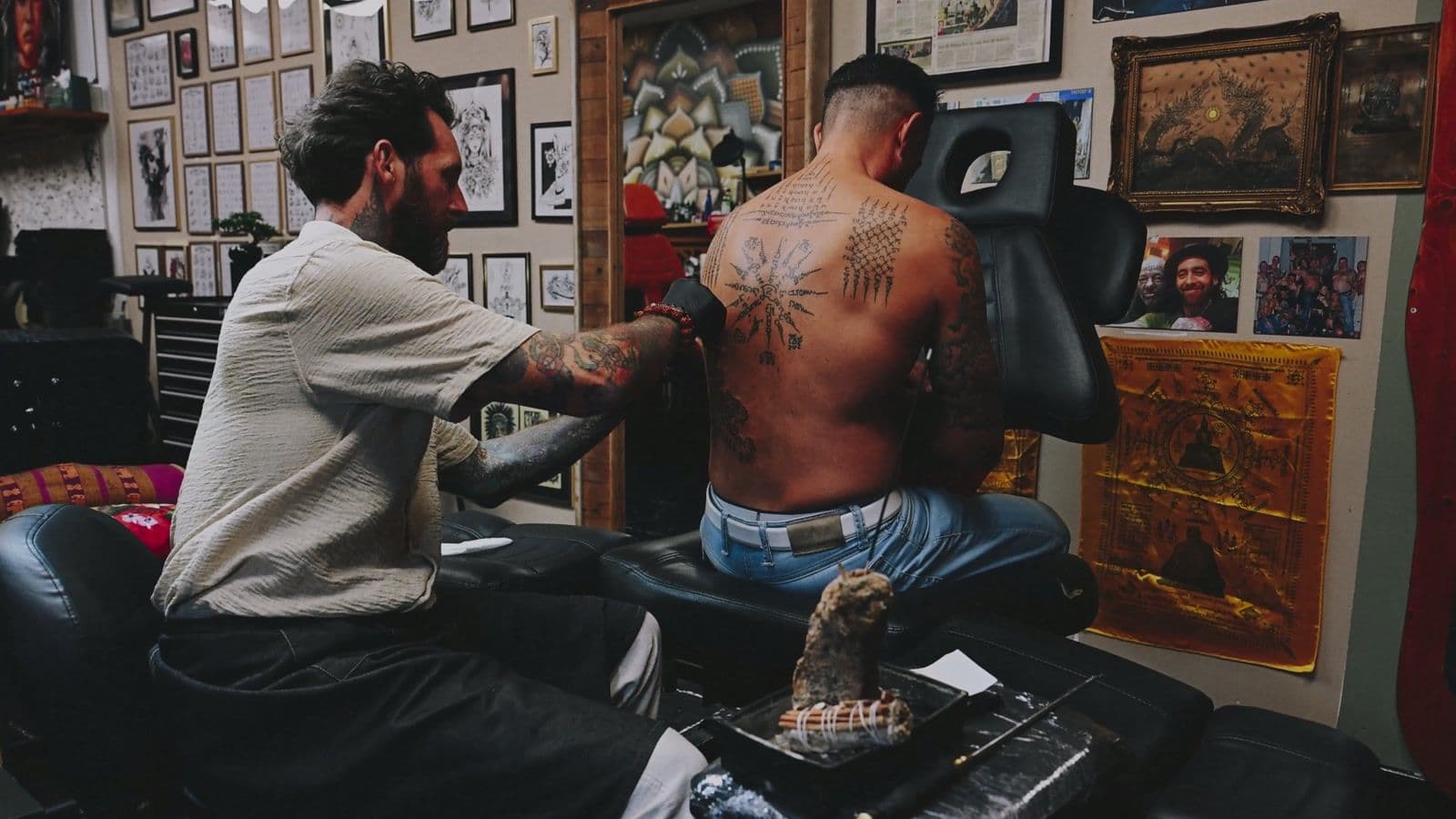
Sak Yant video: how a Sak Yant is tattooed in the Netherlands
A Sak Yant from start to finish, filmed at the studio. Watch the video and read what you see: the design, the rod, the calm in the studio and the closing moment.
4 min read
The 10 most popular Sak Yant designs and what they mean
From the Hah Taew to Ganesha: the ten Sak Yant designs chosen most often, with their meaning and where they work best on the body.
6 min read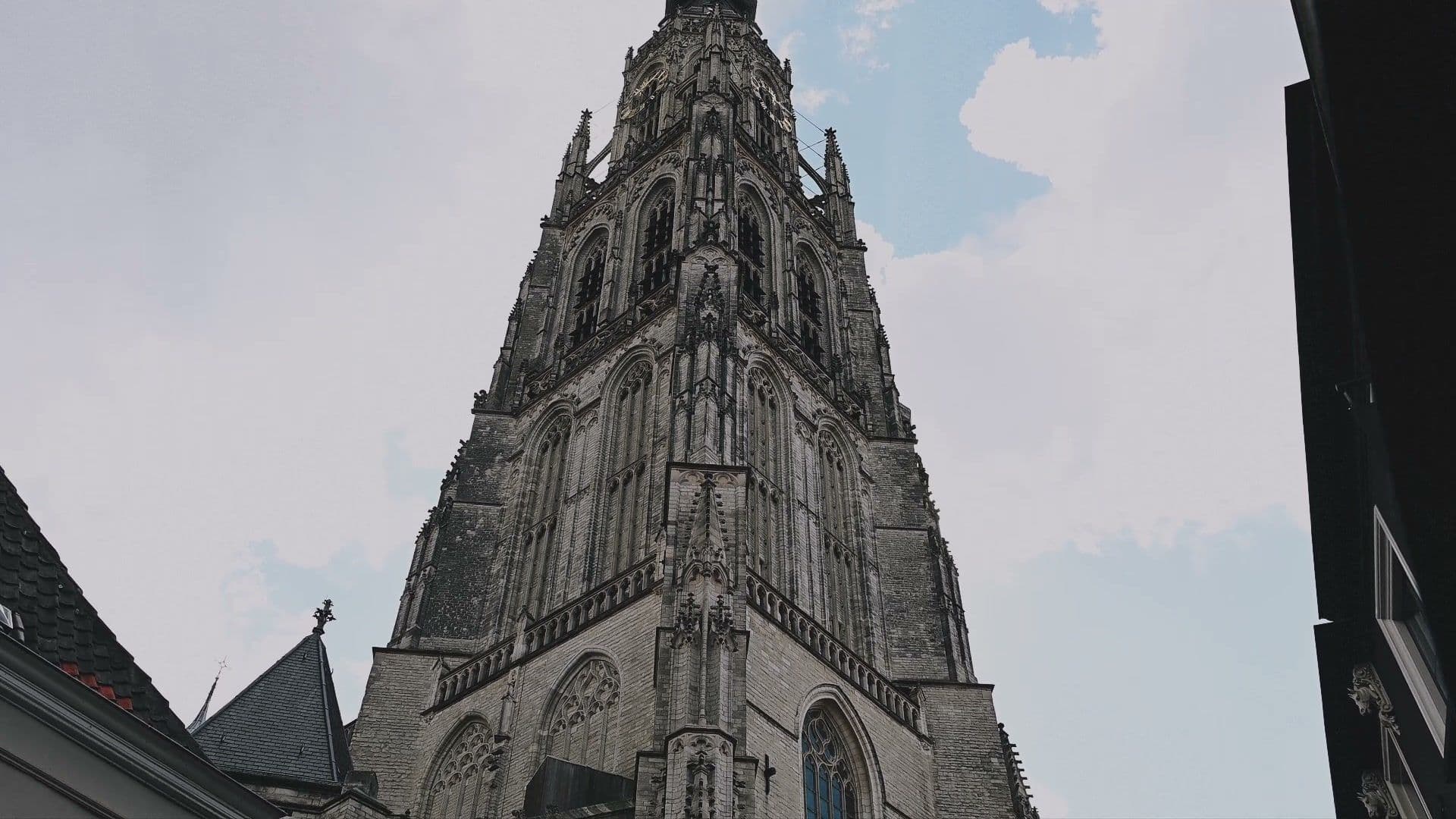
Getting a Sak Yant from Amsterdam, Rotterdam, Utrecht or Eindhoven
You will not find an authentic Sak Yant in every city. How long it takes to reach the studio in Breda from Amsterdam, Rotterdam, The Hague, Utrecht and Eindhoven, and what to look for.
5 min read