
Power tattoo: what people mean and what the tradition says
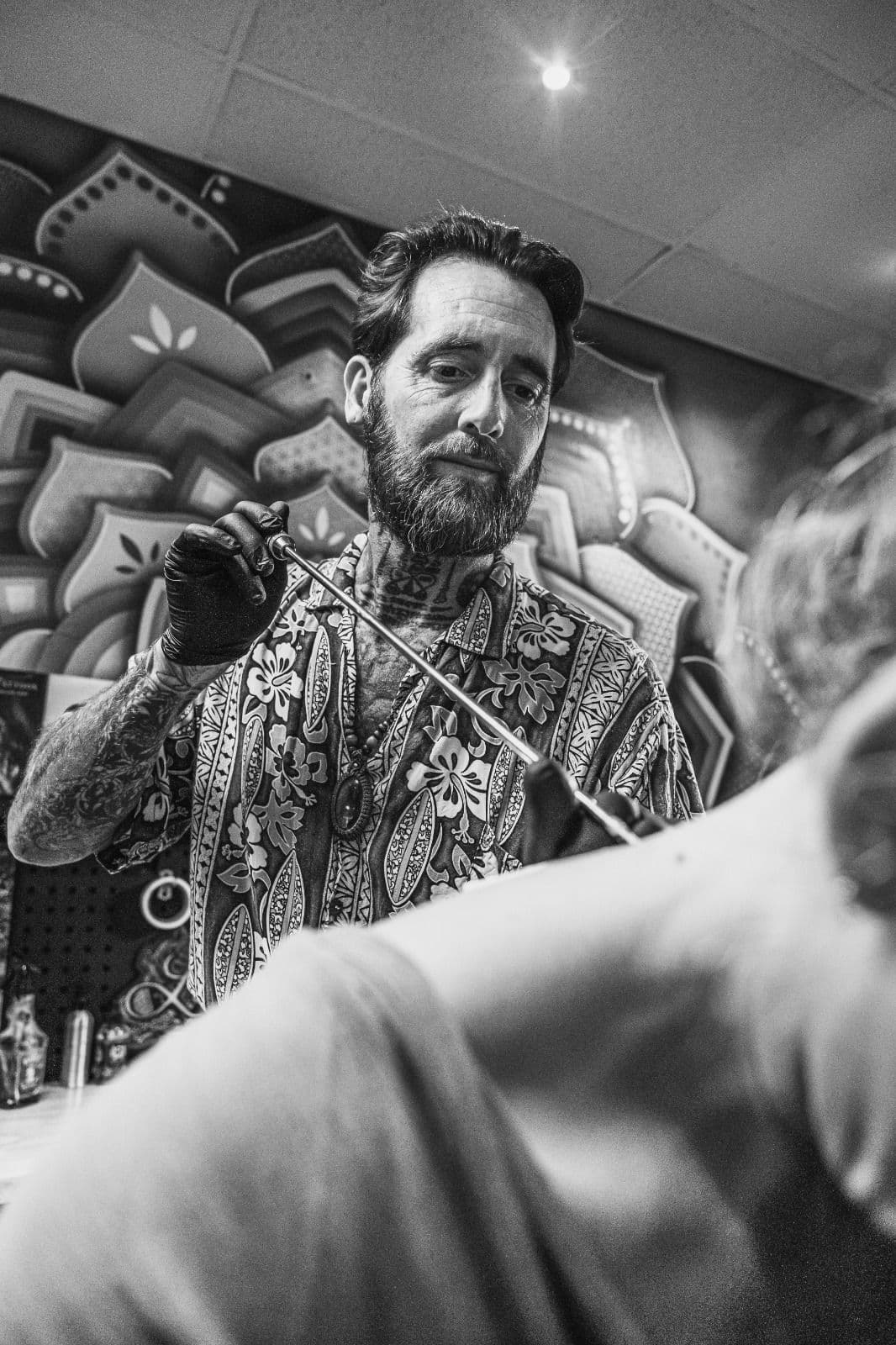
Power tattoo is a modern search term, not a concept from the tradition. What people mean by it, and which Sak Yant designs are actually about this.
Power tattoo is a term you come across a lot, but almost never in the tradition itself. It is an umbrella name that arose in the West for tattoos meant to make you feel stronger. Within the Sak Yant tradition that single category does not exist. Strength does exist, and there it is split into meanings that differ from one another.
What is a power tattoo?
In everyday use, a power tattoo is a tattoo meant to radiate confidence, perseverance or presence. Often it involves animals: a tiger, a lion, a dragon. Sometimes text or geometry. The common denominator is the wearer’s intention, not a fixed form.
That is immediately the difference with a Sak Yant. Where power tattoo describes a feeling, a Yant describes specific content: a mantra, a geometry and a figure that together are about something. You do not choose strength in general, you choose which kind of strength.
Why strength is not one thing in the Sak Yant tradition
Courage is something other than authority. Persevering is something other than being protected. In the Thai tradition each of those has its own Yant, and that distinction is the heart of the choice. Anyone choosing on looks alone can end up with a design that is about something different from what they were after.
Which Yants are about strength?
These are the designs most often chosen by people who come in with a power tattoo in mind, and how they differ from one another.
What a Sak Yant is not
It is fair to say this too, because a lot is promised online. A Sak Yant is not an amulet that does the work for you. Within the tradition, how it works is connected to how you live: five precepts are usually named, based on the Buddhist Sila. How strictly they are interpreted differs per ajarn.
What a Yant does do is fix an intention in a place where you see it every day. For many wearers that is the actual strength: not that the symbol changes something, but that you are reminded of what you chose.
How do you choose?
Start with the situation, not with the picture. What are you running into, and what would you want to come more easily? That answer usually points by itself to the kind of strength you are looking for, and with it to which Yant comes into consideration. That is talked through during the intake before any design comes onto the table.
Frequently asked questions about power tattoos (FAQ)
Is power tattoo a real term within Sak Yant?
No. It is a modern umbrella name that mostly appears in searches. Within the tradition, what each Yant is about is named specifically, and that is more precise than strength in general.
Which Sak Yant is the strongest?
That question does not sit well with the tradition. Yants are not ranked by strength but by subject. The Gao Yord is often considered the most encompassing because it bundles protection from nine directions, but that does not make it stronger than a Yant about something else.
Can I combine several symbols of strength?
You can, and it happens regularly. The placement and the order then determine how the whole is read, so it is something to discuss beforehand rather than adding to it along the way.
Do I have to believe in the meaning?
Belief is not a condition. What is expected is that you know what you carry and why. The tradition cares about intention, and that is something other than conviction.
Recent blogs
Dive deeper into Sak Yant, traditions and tattoo care.
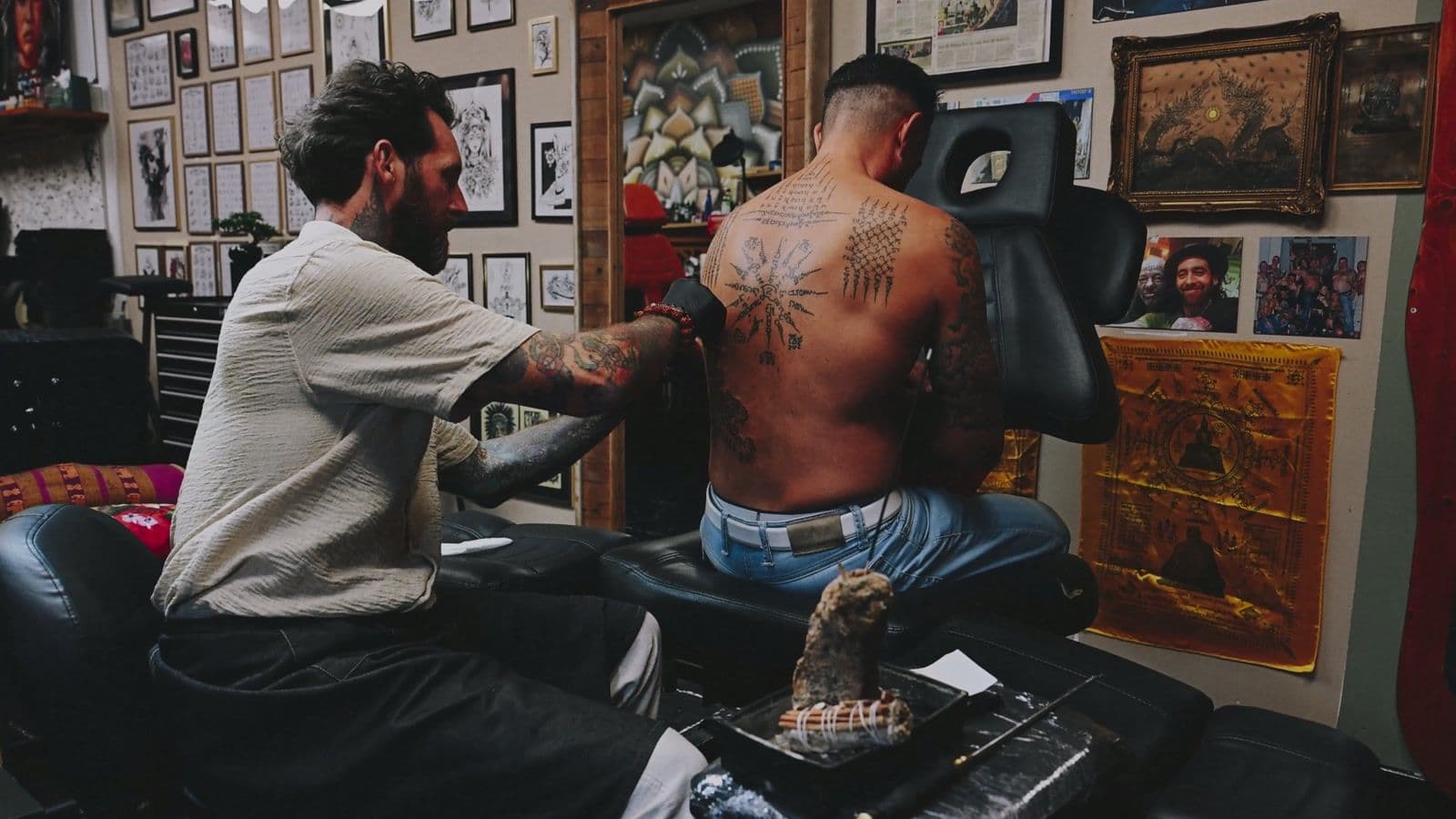
Sak Yant video: how a Sak Yant is tattooed in the Netherlands
A Sak Yant from start to finish, filmed at the studio. Watch the video and read what you see: the design, the rod, the calm in the studio and the closing moment.
4 min read
The 10 most popular Sak Yant designs and what they mean
From the Hah Taew to Ganesha: the ten Sak Yant designs chosen most often, with their meaning and where they work best on the body.
6 min read
Getting a Sak Yant from Amsterdam, Rotterdam, Utrecht or Eindhoven
You will not find an authentic Sak Yant in every city. How long it takes to reach the studio in Breda from Amsterdam, Rotterdam, The Hague, Utrecht and Eindhoven, and what to look for.
5 min read